
Table of Contents
Introduction
When addressing unwanted air gaps and noise seepage around doors and windows, two commonly referenced sealing options include felt-based and silicone-based weather stripping. This comparison examines the differences between the Bruiefpap Self Adhesive Weather Stripping and the TAROSE Silicone Door Seal Strip, using only source-supported product documentation to clarify what each offers—and where they differ.
How This Comparison Was Built
This comparison draws exclusively from the verified source materials linked in the individual product overviews. It references the documented attributes, limitations, and supported use cases without interpreting or extending their claims. Differences are noted based on what each source includes or omits, offering a fact-based foundation for reader evaluation.
Key Decision Factors Identified From the Source Content
Three main dimensions distinguish these two weather stripping options: material composition, supported gap dimensions, and environmental installation considerations. Additional differences include total roll length, color attributes, and specific application contexts. This comparison refrains from generalizations, focusing only on supported distinctions from the source materials.
Soundproof Door Gaps with Bruiefpap 39.4FT Self Adhesive Weather Stripping for Windows and Sliding Frames
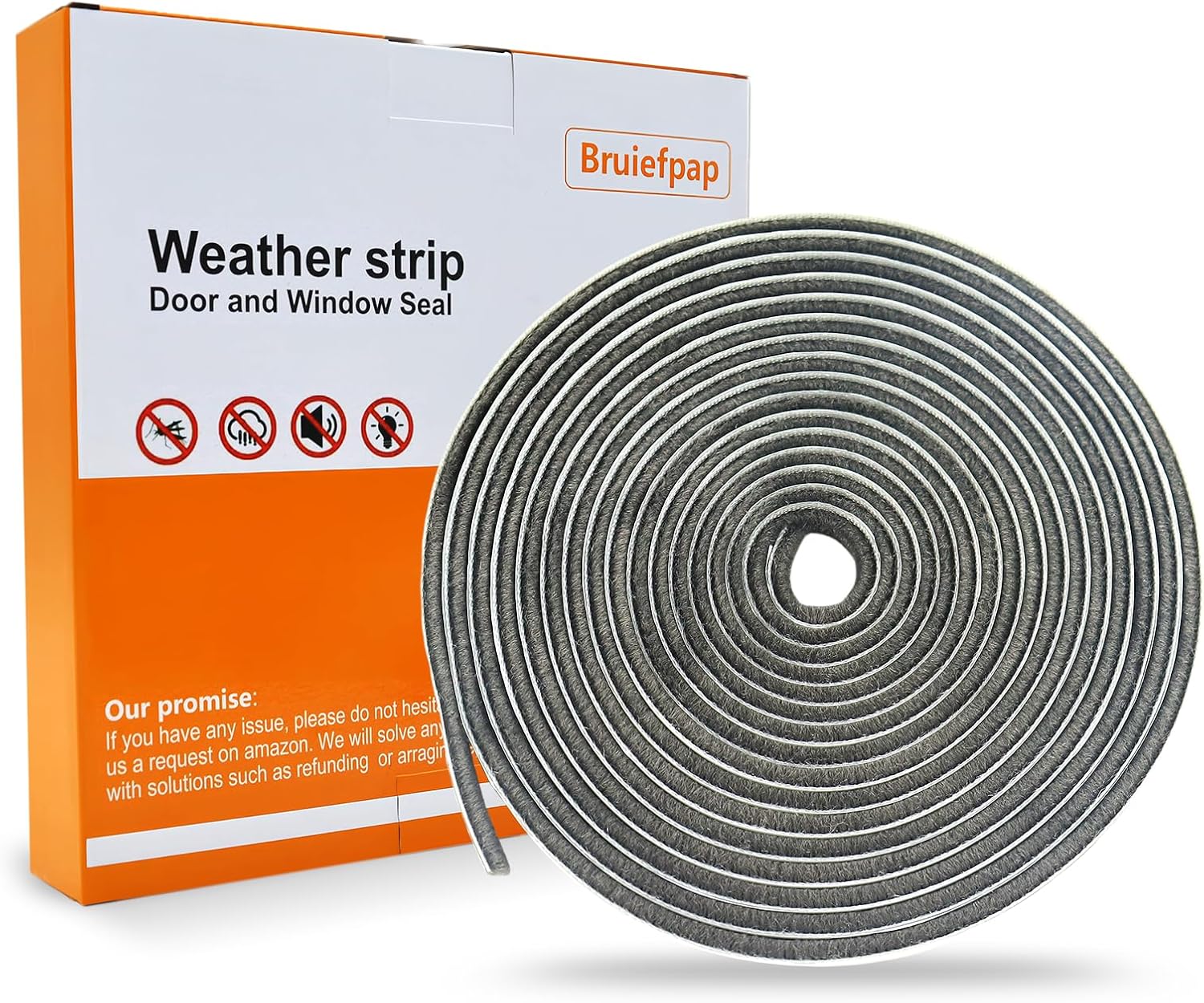
The Bruiefpap weather stripping uses a dense, compressible felt material designed for structural gaps between 0.2 and 0.35 inches. It is intended for residential and light commercial settings where air and dust leaks are a concern. Its neutral gray color supports discreet installation across diverse surfaces. While not marketed as a standalone soundproofing solution, it is suggested as a potential first layer in broader noise management strategies. For more detail on this product’s positioning and technical scope, read the full review or explore the product listing.
TAROSE Weather Stripping Silicone Door Seal Strip for Doors and Windows Overview
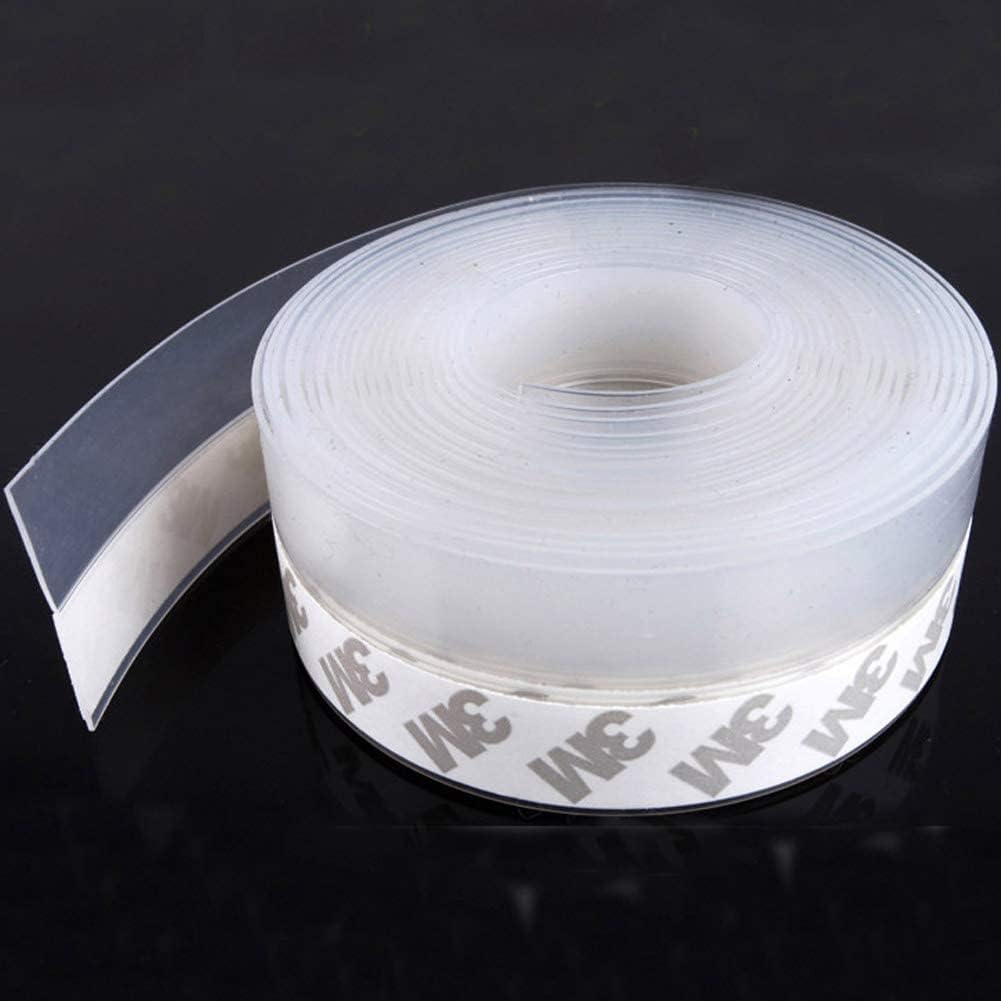
The TAROSE seal strip is made of flexible, non-toxic silicone and plastic. It is offered in a 16-foot roll and designed to seal gaps up to 15mm (approximately 0.59 inches). The material’s resilience allows for repeated movement and repositioning after door use. Adhesive performance can be sensitive to cold or humid conditions, and pre-heating is recommended during low-temperature installation. While the product does mention noise reduction benefits, no quantitative acoustic specifications are provided. To better understand its use cases and surface compatibility, see the full review or visit the product listing.
Head-to-Head Comparison: What the Evidence Shows
Material and construction differ significantly between the two options. Bruiefpap relies on a felt structure suited for narrower gaps and frequent door use, while TAROSE uses flexible silicone with a higher maximum gap compatibility. Environmental preparation is a more prominent concern with TAROSE, which includes adhesive temperature guidance. Bruiefpap, by contrast, assumes indoor stability and references more varied installation zones, including cabinets and access panels. Color is specified only for Bruiefpap, with no finish details noted for TAROSE.
At-a-Glance Comparison Table
| Feature | Bruiefpap | TAROSE |
|---|---|---|
| Material | Felt | Silicone and plastic |
| Gap Coverage | 0.2–0.35 inches | Up to 15mm (≈0.59 inches) |
| Roll Length | 33 ft (title references 39.4 ft) | 16 ft |
| Color | Neutral gray | Not specified |
| Environmental Guidance | Indoor temp/humidity stable | Adhesive warming recommended in cold |
| Application Range | Doors, windows, cabinets, utility panels | Doors, windows, thresholds, showers |
Which One May Be the Better Fit for Different Situations
For gap sealing projects involving narrower structural voids, especially where installation must remain visually discreet, the felt-based Bruiefpap may align with stated use cases. In contrast, situations involving wider door gaps or variable temperature environments may favor the silicone-based TAROSE product. TAROSE’s flexible structure may also be suitable for doors that undergo frequent mechanical movement, although surface preparation is emphasized more heavily. Each product presents trade-offs depending on the gap dimensions, application zones, and environmental conditions noted in source content.
Frequently Asked Questions
Does either product provide certified soundproofing?
No. While both mention noise reduction benefits, neither product provides certified acoustic performance data or third-party testing documentation.
Can these products be used together?
The source content does not address combined usage. Any such strategy would fall outside the documented scope of either product.
Which surfaces are each product compatible with?
Bruiefpap does not list specific compatibility concerns. TAROSE indicates variable adhesion on painted metal and recommends testing a small section before full application.
Closing Guidance
Both Bruiefpap and TAROSE present source-supported options for addressing structural air gaps and moderate noise intrusion. The decision between them depends on gap size, installation conditions, and the specific materials involved. For a full understanding of each product’s documented scope and limitations, readers are encouraged to read the Bruiefpap review and see the TAROSE overview directly. Full product details are also available on the respective product pages: Bruiefpap and TAROSE.