
Table of Contents
Introduction
When considering automotive soundproofing solutions, two prominent options are the Siless Black 50 mil Sound Deadening Mat and the WEUPE 50 mil Butyl Sound Deadening Mat. This comparison highlights structural differences, intended applications, and documented use cases based strictly on manufacturer-supplied information. For those evaluating materials for cabin noise reduction and vibration damping, understanding these distinctions is key to selecting a fit-for-purpose solution.
How This Comparison Was Built
This article is grounded entirely in evidence drawn from verified source content and corroborated findings. No assumptions, performance extrapolations, or interpretations are made beyond what is explicitly provided in product documentation or technical specifications. To explore each product in greater depth, readers can refer to the full Siless review and the WEUPE review.
Key Decision Factors Identified From the Source Content
From the available documentation, several differentiators emerge:
- Stated material composition: rubber-based vs. butyl rubber
- Coverage area per package
- Intended scope of use: broad surface coverage vs. targeted panel treatment
- Sheet size and configuration
Siless Black 50 mil Sound Deadening Mat Overview
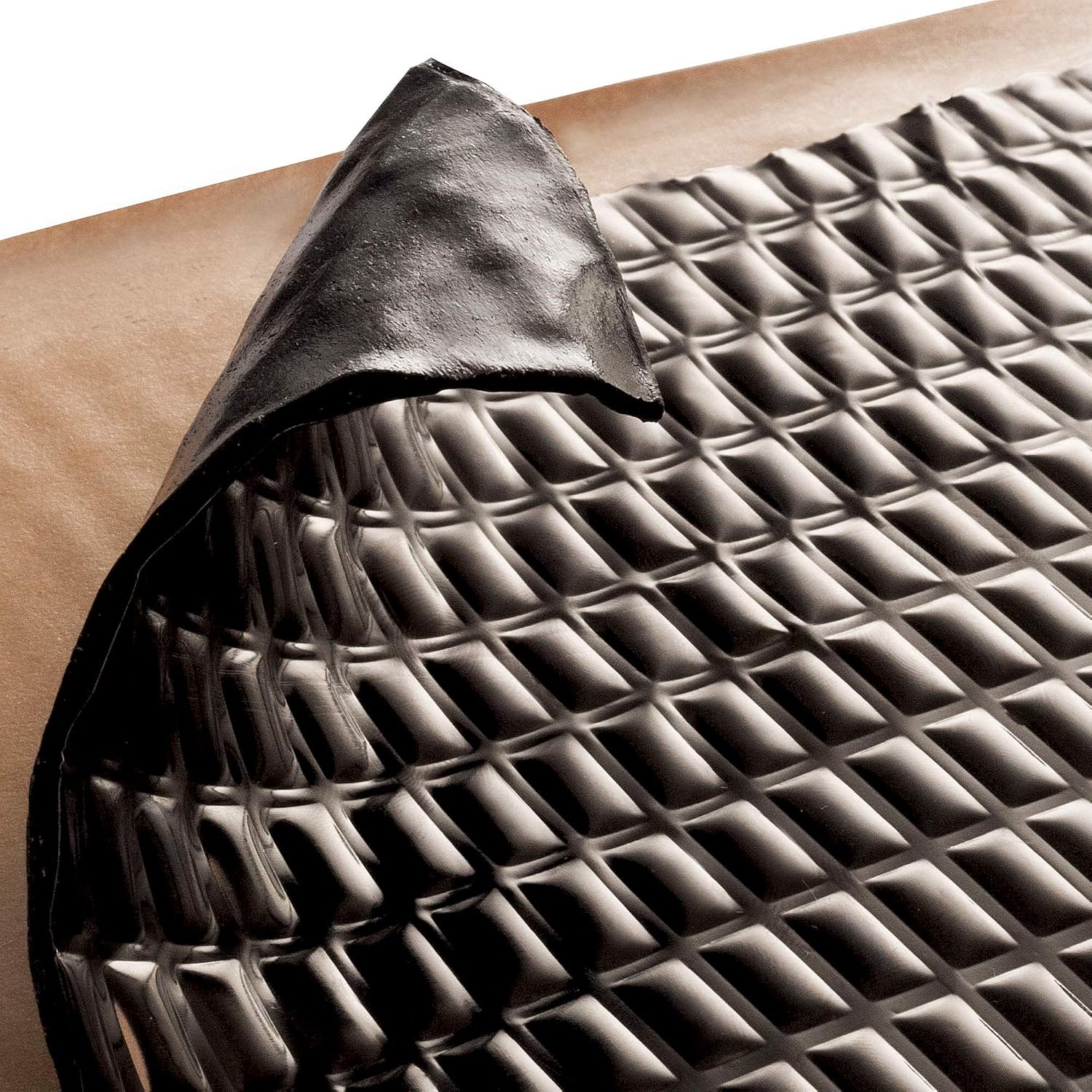
The Siless Black Sound Deadening Mat is designed for large-format automotive insulation, featuring a peel-and-stick application across 20 sheets, totaling 52 square feet. It uses a rubber-based compound and is intended for broad vehicle interior surfaces such as floors, doors, and roofs. The product documentation emphasizes flexibility for curved surfaces and consistent adhesion. No decibel ratings or standardized performance data are provided. For further technical specifications and user handling insights, read the full Siless review.
WEUPE 50 mil Butyl Sound Deadening Mat for Cars Overview
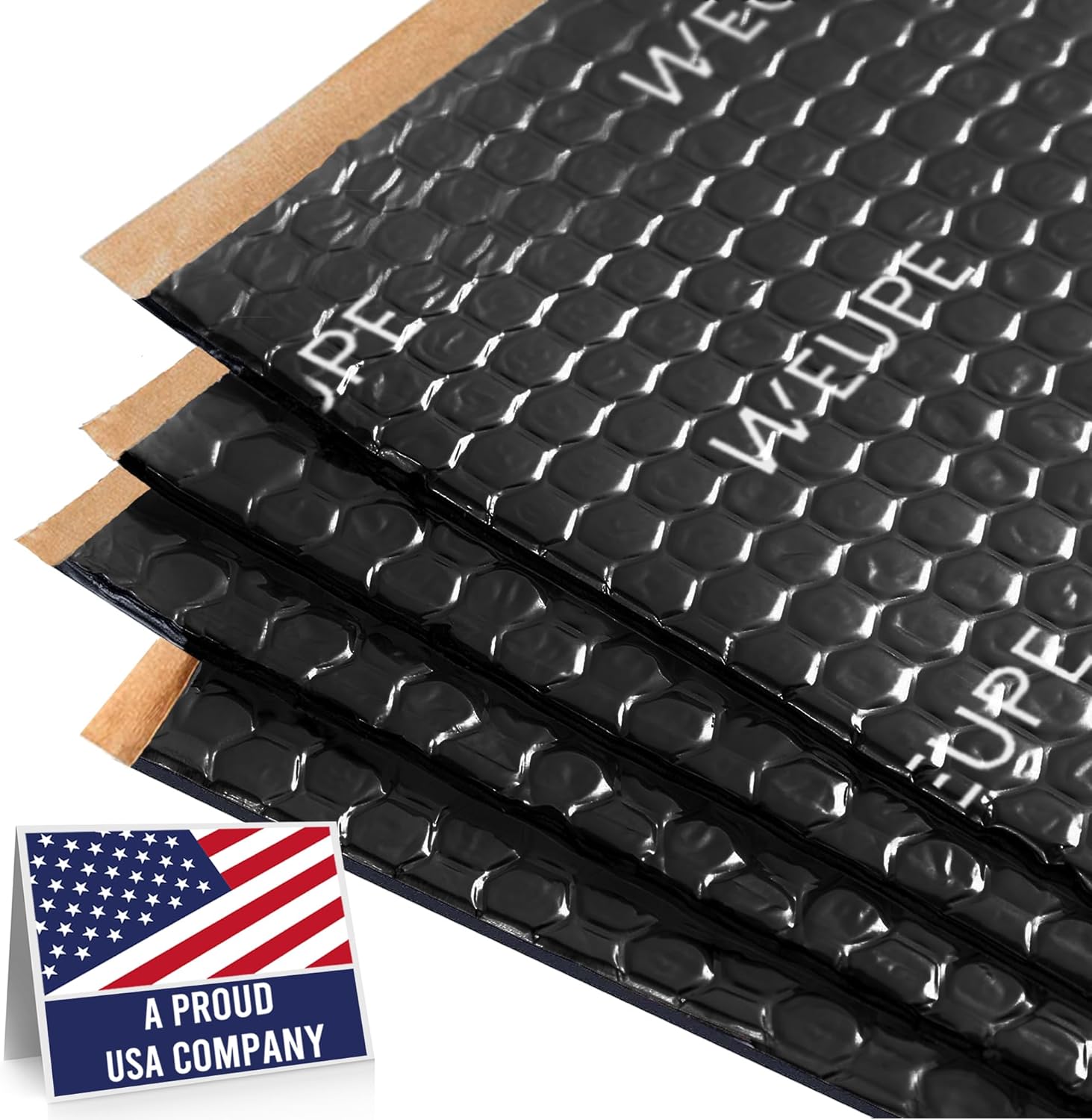
The WEUPE Sound Deadening Mat is a butyl rubber solution packaged in five sheets covering a total of 5 square feet. It is explicitly positioned for localized use on panels such as doors, ceilings, and speaker surrounds. The self-adhesive backing allows for tool-free application after surface cleaning, and the sheet size is highlighted for ease of trimming around irregular areas. The source does not provide STC ratings or lab-verified acoustic metrics. For further packaging and material insights, see the full WEUPE review.
Head-to-Head Comparison: What the Evidence Shows
Based on the provided specifications, the two products differ in material composition and scope of use. Siless uses a proprietary rubber-based material, while WEUPE explicitly states butyl rubber. Siless is configured for wide-area coverage at 52 square feet, whereas WEUPE offers 5 square feet intended for specific panels. Both use peel-and-stick adhesives and recommend rolling for adherence. Neither product provides independent sound transmission data or certifications, making packaging format and area requirements primary distinguishing factors.
At-a-Glance Comparison Table
| Feature | Siless Black | WEUPE |
|---|---|---|
| Material Composition | Rubber-based (unspecified) | Butyl rubber |
| Thickness | 50 mil | 50 mil |
| Total Coverage | 52 sq ft | 5 sq ft |
| Sheet Dimensions | 23.6″ x 15.94″ | 14.5″ x 10″ |
| Adhesive Type | Peel-and-stick | Peel-and-stick |
| Target Use | Full cabin panels | Doors, trunks, ceilings |
| Published STC or dB Ratings | No | No |
Which One May Be the Better Fit for Different Situations
Users seeking wide surface coverage across multiple vehicle panels may find the format of Siless more aligned with full-cabin installations. In contrast, WEUPE’s smaller coverage and manageable sheet size may be better suited for panel-specific or incremental applications. Material specificity may also factor into preferences, as WEUPE declares butyl rubber composition explicitly, whereas Siless does not.
Frequently Asked Questions
Are either of these products tested for acoustic performance? Neither Siless nor WEUPE includes STC ratings or lab-based dB reduction figures in their documentation.
Is specialized equipment required for installation? Both products support peel-and-stick installation without the need for specialized tools beyond a roller and cutting tool.
Can these materials be layered with other insulation types? Siless documentation references compatibility with multi-layer sound treatment setups, while WEUPE’s content does not address layering.
Closing Guidance
Both Siless and WEUPE offer 50 mil sound deadening mats positioned for automotive use. The documented differences in coverage area, sheet dimensions, and material disclosure support distinct use cases. To further understand installation details and packaging considerations, readers are encouraged to explore the Siless review and WEUPE review.