
Table of Contents
Introduction
Mass loaded vinyl (MLV) remains a popular option for soundproofing applications, offering density and flexibility for blocking airborne noise and vibration. This comparison explores two such materials: AcoustiBlok MLV and TroyStudio Mass Loaded Vinyl Sound Proof Barrier. Drawing from verified product sources, this article examines each product’s stated characteristics, intended uses, and installation considerations to aid informed decision-making.
How This Comparison Was Built
This article is grounded exclusively in published source material for both products. No external assumptions or extrapolations have been made. Data were drawn directly from the linked reviews and product documents for AcoustiBlok MLV and TroyStudio Mass Loaded Vinyl Sound Proof Barrier.
Key Decision Factors Identified From the Source Content
Key attributes supported by source material include product weight and thickness, stated STC (Sound Transmission Class) rating, composition, ease of installation, and specific use-case references. Both products are presented as MLV-based solutions intended to block airborne sound and reduce vibration, though the available documentation varies in specificity.
AcoustiBlok MLV
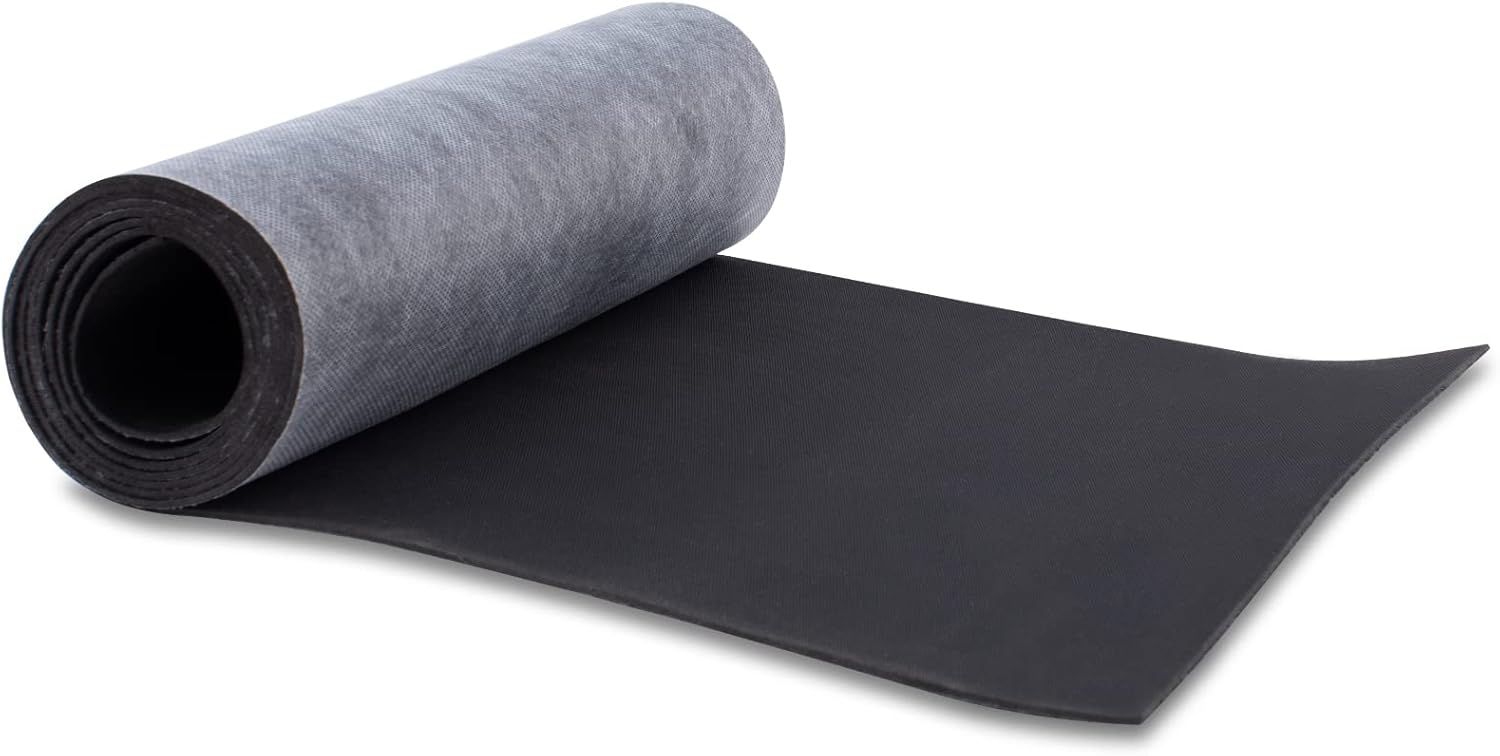
AcoustiBlok MLV is a dense, flexible vinyl sound barrier designed for use in walls, ceilings, floors, and enclosures. It is characterized by its mass and pliability, aiming to reduce noise transmission across structural boundaries. For detailed specs, materials, and lab-verified performance insights, readers are encouraged to read the full review. The product is available for purchase via Amazon.
TroyStudio Mass Loaded Vinyl Sound Proof Barrier

The TroyStudio MLV Sound Proof Barrier is marketed as a 1 lb/sqft, 1/8″ thick vinyl-based sheet for sound dampening and vibration control. It is composed of high-damping rubber and polymer metal powder with a nonwoven fabric backing. The product claims an STC rating of 28 and is promoted as waterproof, flame-retardant, and suitable for indoor or outdoor use. Installation methods include adhesives or fasteners. Further details can be found in the product overview, and it is purchasable via Amazon.
Head-to-Head Comparison: What the Evidence Shows
Both AcoustiBlok and TroyStudio MLV barriers share a core approach of using dense, flexible material to block airborne noise and reduce structural vibration. However, key documented differences include:
- STC Rating: TroyStudio specifies a nominal STC of 28, whereas AcoustiBlok’s rating is provided through lab-based testing detailed in its primary review.
- Composition: TroyStudio includes polymer metal powder and a nonwoven backing. AcoustiBlok’s composition and proprietary elements are described in more depth in its review.
- Form Factor: TroyStudio is available in small sheet form (1′ × 8′), whereas AcoustiBlok is offered in larger or customizable dimensions suitable for construction-scale applications.
- Fire and Environmental Claims: TroyStudio mentions B1 flame retardancy and waterproof qualities. AcoustiBlok offers verifiable certifications outlined in its detailed documentation.
At-a-Glance Comparison Table
| Attribute | AcoustiBlok MLV | TroyStudio MLV |
|---|---|---|
| Weight Density | Undisclosed (in review) | 1 lb/sqft |
| Thickness | Described in review (varies) | 1/8 inch (0.13″) |
| STC Rating | Lab-certified (value in review) | 28 (manufacturer stated) |
| Backing | Not specified | Nonwoven fabric |
| Flame Retardant | Certified (see review) | B1-rated (source stated) |
| Installation | Flexible, heavy-duty | Cuttable, adhesive-compatible |
| Intended Use | Construction, walls, enclosures | Walls, HVAC, vehicles, booths |
Which One May Be the Better Fit for Different Situations
For large-scale soundproofing construction or when certified acoustic performance is critical, AcoustiBlok may better align with demanding requirements as documented in its lab-supported review. Conversely, TroyStudio’s MLV may be suitable for lighter-duty or more modular applications, particularly where product size and ease of solo installation are important. However, without comparable third-party data, selection should be based on the documented use case and feature availability for each.
Frequently Asked Questions
Is TroyStudio’s STC 28 independently verified? No third-party lab report is cited in available sources. The rating is manufacturer-stated only.
Does AcoustiBlok provide lab testing documentation? Yes. The linked review summarizes test-based performance for airborne sound transmission loss.
Which product is more suitable for automotive or HVAC applications? TroyStudio explicitly mentions use in cars, HVAC ducts, and pipes. AcoustiBlok’s review focuses more on structural sound barriers.
Closing Guidance
Both AcoustiBlok MLV and TroyStudio Mass Loaded Vinyl Sound Proof Barrier offer density-based soundproofing solutions, but their supported documentation and product scale differ. Readers seeking technical detail and lab certification may prefer to explore the AcoustiBlok review, while those interested in modular applications can review the TroyStudio overview. For current listings and options, both are available via Amazon.