
Table of Contents
Introduction
When comparing automotive sound insulation materials, both the Design Engineering Boom Mat and the VEVOR Noise Grabber offer purpose-built solutions aimed at noise and thermal management. This side-by-side breakdown examines what each product explicitly offers based on manufacturer-supported data to help you identify differences that may influence your installation needs.
How This Comparison Was Built
This comparison draws exclusively from source-supported information in the manufacturer product documents and corroborated summaries. It avoids assumptions, marketing claims, or inferred performance to provide a neutral reference based on verified specifications and features.
Key Decision Factors Identified From the Source Content
Several key factors emerged from the source documents that help differentiate these two insulation products:
- Installation method (adhesive-backed vs. adhesive-required)
- Material structure and surface finish
- Stated thickness and coverage format
- Application zones and flexibility
Design Engineering 050120 Boom Mat Leather Look 24 x 48 Sound Barrier and Insulation
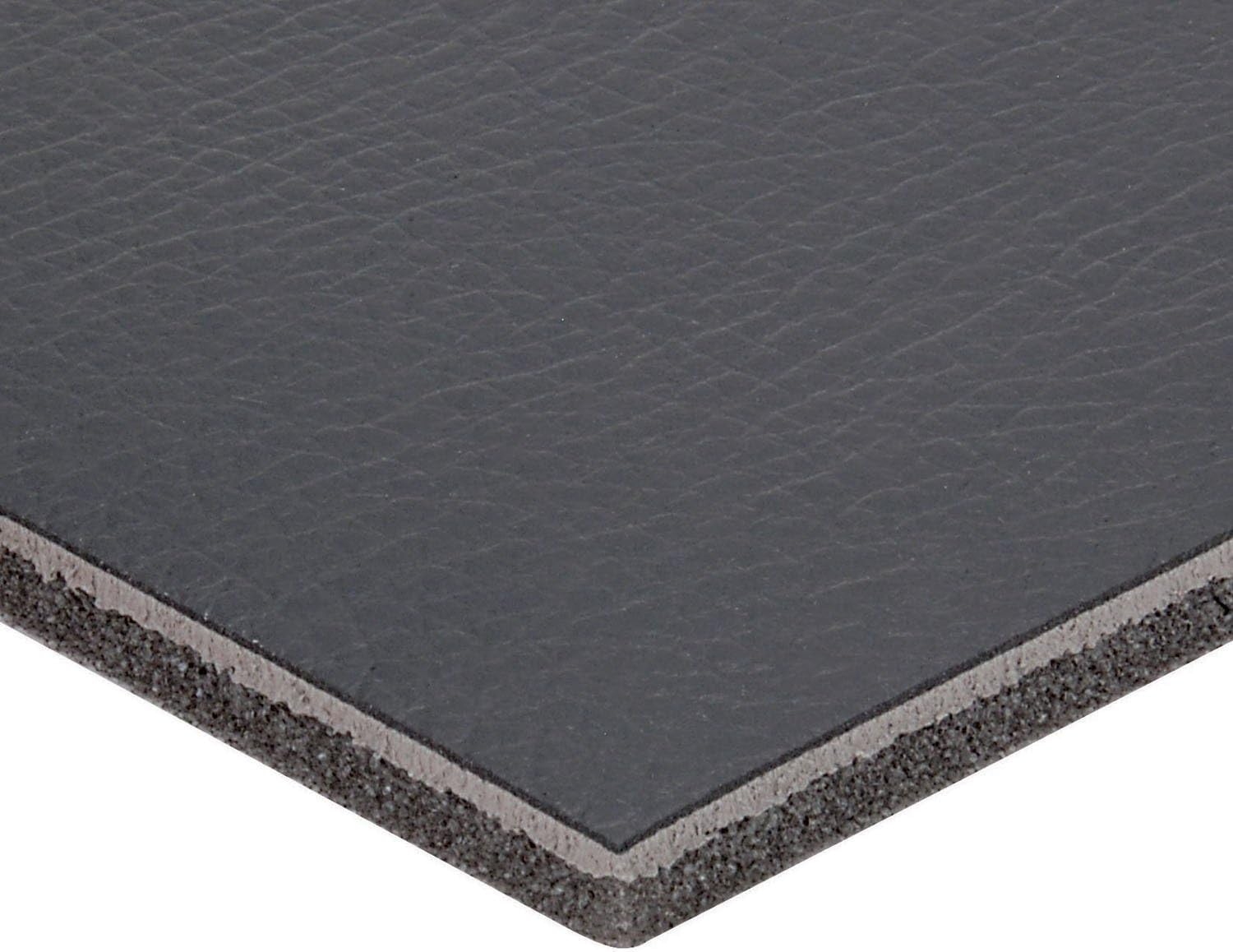
The Design Engineering Boom Mat is presented as a visually integrated sound and heat barrier for automotive interiors. Its leather-embossed finish and dense loaded barrier core are tailored to match and enhance interior aesthetics while addressing unwanted noise and thermal transfer. This sheet-format product covers 8 square feet and requires separate high-temperature adhesive for installation. Explore the product details to understand how it fits into multi-layer vehicle insulation systems.
VEVOR Noise Grabber Mass Barrier 36 sq ft 200 mil Soundproofing Mat with Aluminum Foil Foam Surface
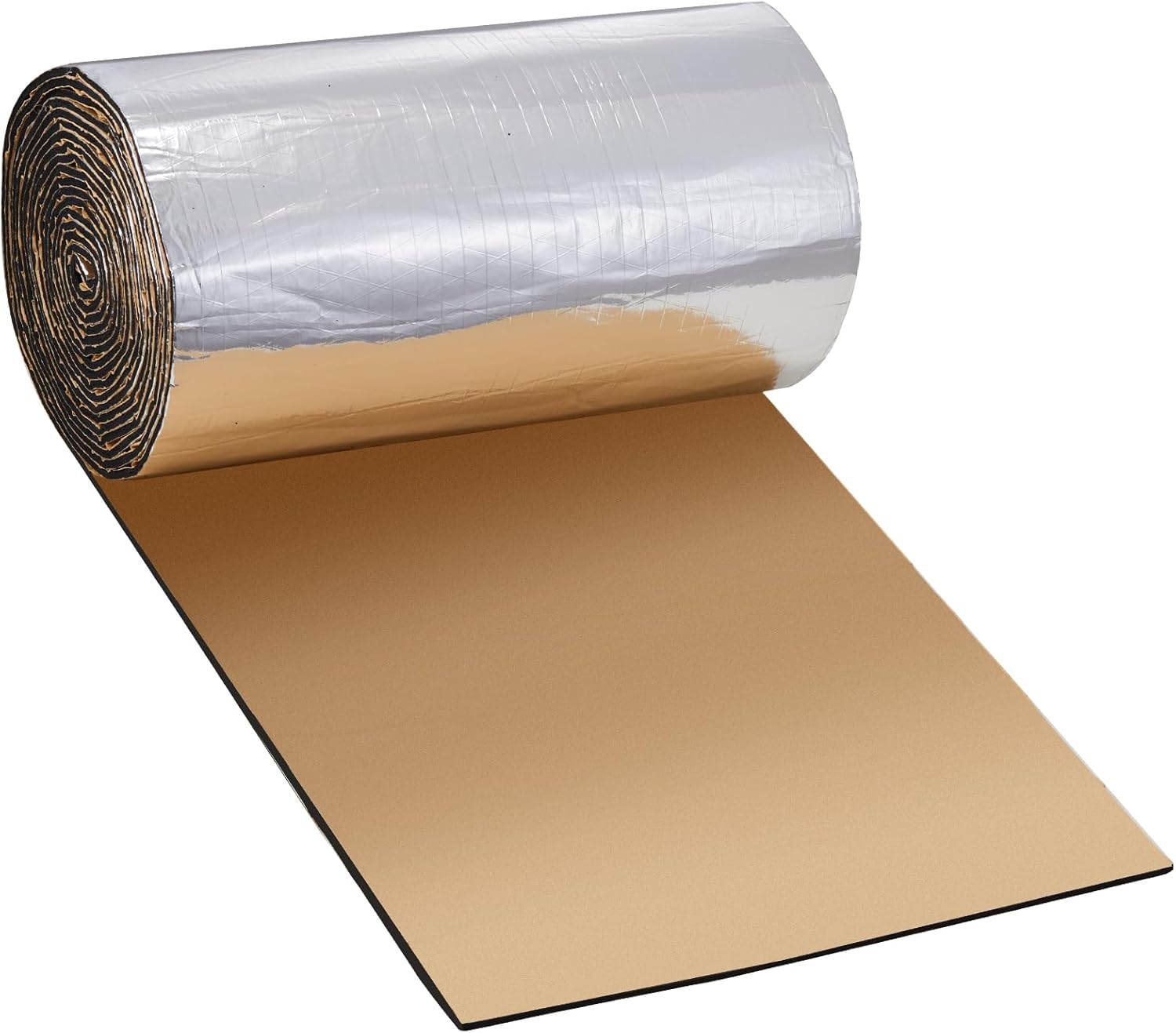
The VEVOR Noise Grabber offers a roll-format insulation solution with a peel-and-stick backing. This 36 sq ft mat features an aluminum foil surface and high-density foam core designed to support sound dampening, heat reflection, and waterproofing functions. Its 200 mil (5.1 mm) thickness and flexible cut-to-fit application are suited for doors, floors, hoods, and trunk areas. Read the full review to see how this adhesive-backed roll performs in confined automotive spaces.
Head-to-Head Comparison: What the Evidence Shows
The two products differ significantly in format, finish, and installation method. The Boom Mat offers a dense, leather-finished sheet ideal for exposed interior surfaces where visual integration matters, while the Noise Grabber prioritizes flexible coverage and ease of installation with its self-adhesive roll design. Only VEVOR specifies a numeric thickness (5.1 mm), whereas Boom Mat lists weight per square foot (1 lb/ft²) and mentions a contextual 1-inch form factor. Notably, both products lack quantified acoustic performance ratings.
At-a-Glance Comparison Table
| Attribute | Design Engineering Boom Mat | VEVOR Noise Grabber |
|---|---|---|
| Format | Sheet (24 x 48 in, 8 sq ft) | Roll (16.5 x 315 in, 36 sq ft) |
| Installation | Requires external adhesive | Peel-and-stick backing |
| Material Composition | Loaded vinyl barrier + foam, leather-grain surface | Aluminum foil + high-density foam |
| Surface Finish | Black leather-embossed | Foil-faced |
| Specified Thickness | Not directly stated (contextual 1-inch form) | 200 mil (5.1 mm) |
| Application Areas | Trunks, doors, speaker boxes | Doors, floors, hoods, trunks, roofs |
| Sound/Thermal Claims | Yes (no ratings provided) | Yes (no ratings provided) |
Which One May Be the Better Fit for Different Situations
Based on the documented differences, users seeking a product that blends with visible interior surfaces may find the Design Engineering Boom Mat more aligned with aesthetic integration needs. Installers requiring flexible, adhesive-backed coverage for larger or irregular areas may find the VEVOR roll format better suited. Specific project demands such as material thickness or method of application may guide the decision, depending on whether adhesive tools are available or visual finish is a priority.
Frequently Asked Questions
Do either of these products include lab-certified acoustic ratings?
No. Both products describe acoustic and thermal benefits, but neither provides STC, NRC, or other standardized performance metrics.
Can the Boom Mat be repositioned after application?
No. It requires external high-temperature adhesive, which is designed for permanent installation. Temporary placement is mentioned, but not in a repositionable adhesive context.
Is the VEVOR Noise Grabber compatible with high-heat areas?
Yes, the product description states the adhesive functions in high- and low-temperature conditions. However, no exact temperature range is given.
Closing Guidance
Each product serves a distinct role in the broader sound insulation category. The Boom Mat emphasizes interior finish and barrier density in a defined sheet format, while the Noise Grabber focuses on ease of use and flexible application. For a deeper understanding of installation contexts, material layers, and practical use, consult the linked full reviews: Design Engineering Boom Mat and VEVOR Noise Grabber.