
Table of Contents
Introduction
When comparing flexible foam sheets to small impact bumpers, the differences in purpose become clear quickly. DGSL Neoprene Adhesive Foam Sheets are positioned as a cut-to-fit neoprene solution for sealing, insulation, and sound control tasks. In contrast, HushBumps Ultra-Quiet Gel Bumpers focus on contact dampening for doors, drawers, and cabinets using compressible polymer gel.
Both products address noise in different ways: one through sheet-based surface coverage, the other through localized impact isolation. The right choice depends on whether you need broad-area material coverage or discrete cushioning at contact points.
Key Decision Factors Identified From the Review Content
The review content highlights clear differences in material type, installation format, intended use, and how each product addresses noise or vibration.
- Closed-cell neoprene sheet versus polymer gel bumpers
- Roll format versus 104-piece bumper pack
- Sealing, insulation, and surface lining versus contact impact dampening
- Cut-to-fit sheet trimming versus pre-formed peel-and-stick bumpers
DGSL Neoprene Adhesive Foam Sheets for DIY Soundproofing and Sealing Applications Overview
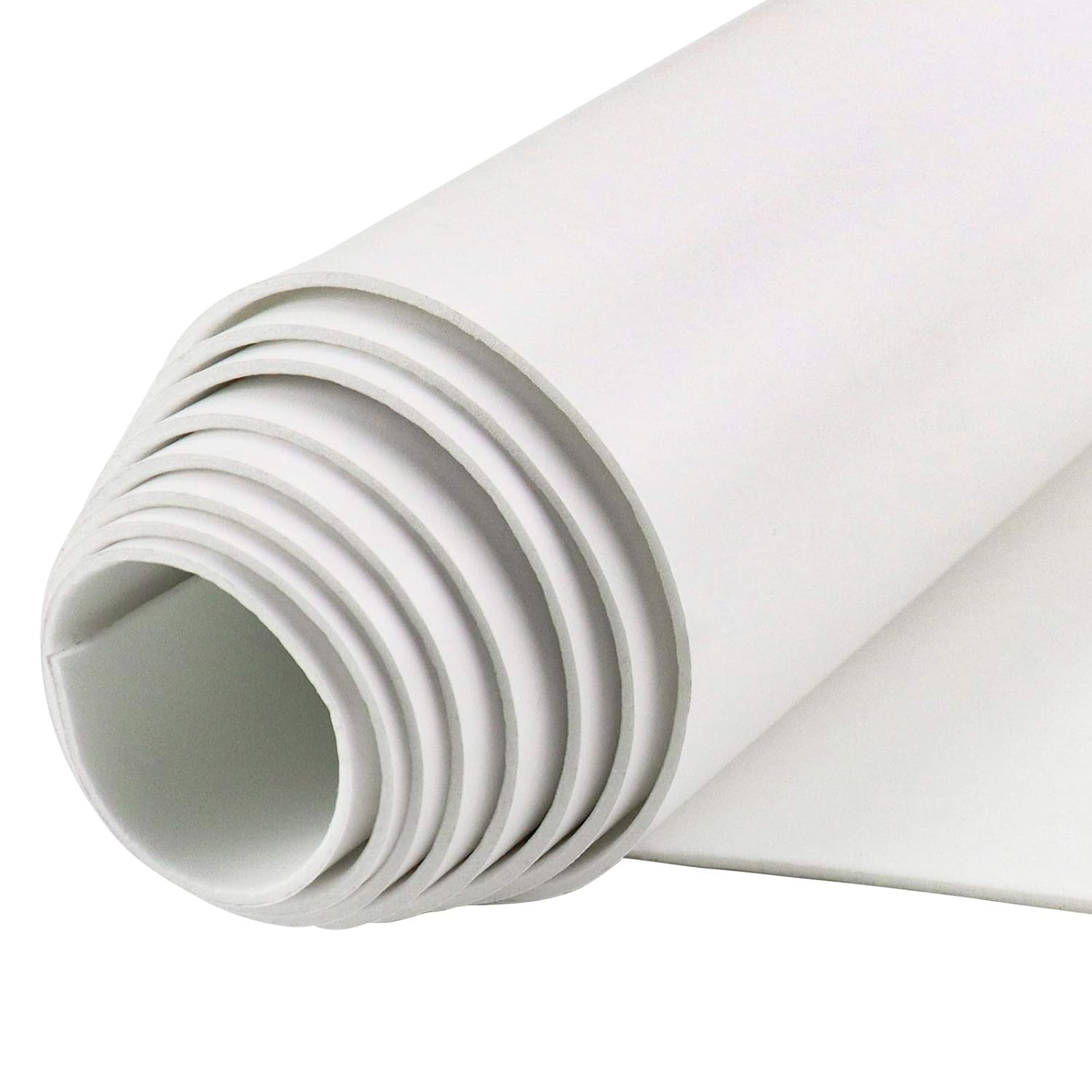
The DGSL Neoprene Adhesive Foam Sheets consist of closed-cell neoprene sponge rubber supplied in a roll measuring approximately 12 inches wide, 59 inches long, and 1/16 inch thick. The closed-cell structure is described as having low moisture absorption and resistance to environmental elements.
An adhesive backing with a release liner allows direct application to clean, flat surfaces. The sheet can be trimmed with common hand tools and layered if additional thickness is required. Use cases described in the review include lining drawers, sealing gaps, adding vibration-dampening layers in vehicles, and forming temporary gasket replacements.
The review also notes that adhesion performance may vary in high-humidity or outdoor environments, and thinner material may tear if overstressed during installation.
HushBumps Ultra-Quiet Gel Bumpers and Polymer Gel Technology for Quieter Cabinets and Interior Doors Overview
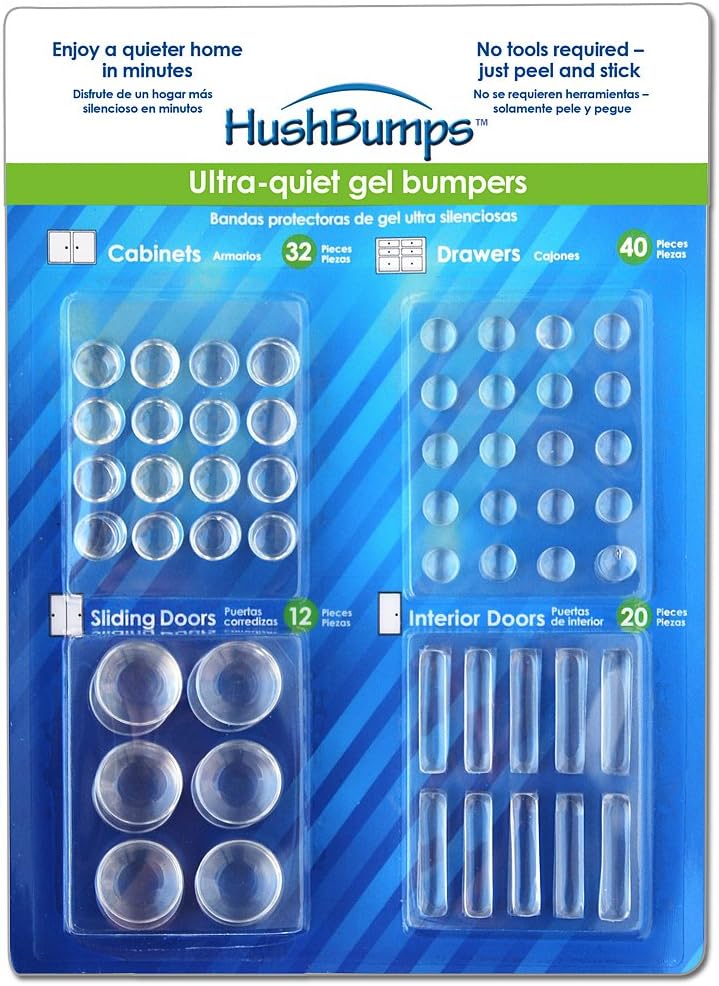
The HushBumps Ultra-Quiet Gel Bumpers are constructed from a polymer gel material designed to compress under force. This compression allows the bumpers to absorb contact between doors, drawers, and frames, functioning as localized impact dampeners.
They use a peel-and-stick adhesive system and are intended for indoor applications such as cabinets, interior doors, and sliding door systems. The 104-piece variety pack includes multiple bumper shapes to accommodate different fixture types.
The manufacturer positions them for noise reduction through contact dampening rather than structural soundproofing. Surface preparation is emphasized, particularly on smooth, non-porous surfaces.
Head-to-Head Comparison: What the Evidence Shows
Material composition is the most immediate distinction. DGSL uses closed-cell neoprene sponge rubber in sheet form, while HushBumps rely on a compressible polymer gel formed into individual bumpers.
In terms of format, DGSL provides a continuous roll that can be cut and layered for broader coverage across panels, gaps, or equipment surfaces. HushBumps come as pre-formed pieces designed to be placed precisely at impact points such as cabinet corners or door frames.
Their noise-control approaches also differ. DGSL’s sheet is described for sealing, insulation, and vibration-dampening uses, whereas HushBumps are specifically described as contact dampeners intended to reduce closing noise by compressing between hard surfaces.
Installation complexity varies accordingly. DGSL may require measuring, cutting, and surface preparation for larger coverage areas. HushBumps focus on quick peel-and-stick placement without trimming.
At-a-Glance Comparison Table
| Feature | DGSL Neoprene Adhesive Foam Sheets | HushBumps Ultra-Quiet Gel Bumpers |
|---|---|---|
| Material Type | Closed-cell neoprene sponge rubber | Polymer gel |
| Primary Noise Approach | Sealing, insulation, vibration dampening | Contact dampening through compression |
| Format | Roll (12 in x 59 in x 1/16 in) | 104-piece variety pack |
| Adhesive System | Adhesive backing with release liner | Peel-and-stick adhesive |
| Indoor/Outdoor Positioning | Mixed feedback in high-humidity or outdoor environments | Intended for indoor use |
| Structural Soundproofing | Not specified in the available review details. | Not intended for structural soundproofing |
Which One May Be the Better Fit for Different Situations
DGSL may be more suitable when you need a customizable sheet that can be trimmed and applied across larger surfaces, such as lining drawers, sealing gaps, or adding a vibration-dampening layer beneath panels.
HushBumps may be more appropriate when the goal is to reduce slamming or impact noise at specific contact points, such as cabinet doors or interior door frames, using small, pre-formed bumpers.
The distinction centers on coverage area versus localized impact control rather than one replacing the other.
Frequently Asked Questions
Are these products interchangeable?
They serve different functions. DGSL is a sheet-based material designed for sealing and insulation tasks, while HushBumps are individual gel bumpers intended for contact dampening between hard surfaces.
Do either of these provide structural soundproofing?
HushBumps are identified for contact noise reduction rather than structural soundproofing. Structural soundproofing capability for DGSL is not specified in the available review details.
Which one is easier to install?
HushBumps emphasize peel-and-stick placement without tools. DGSL may require trimming and surface preparation depending on the size and shape of the application area.
Closing Guidance
Choosing between DGSL and HushBumps comes down to application style. If you need a flexible sheet for sealing, lining, or broader vibration control, reviewing the full details of DGSL Neoprene Adhesive Foam Sheets can help clarify fit. If your priority is reducing impact noise at cabinet or door contact points, the specifics of HushBumps Ultra-Quiet Gel Bumpers may align more closely with that goal.
For a deeper breakdown of installation notes, performance observations, and use-case context, consult the individual product reviews linked above.