
Table of Contents
Introduction
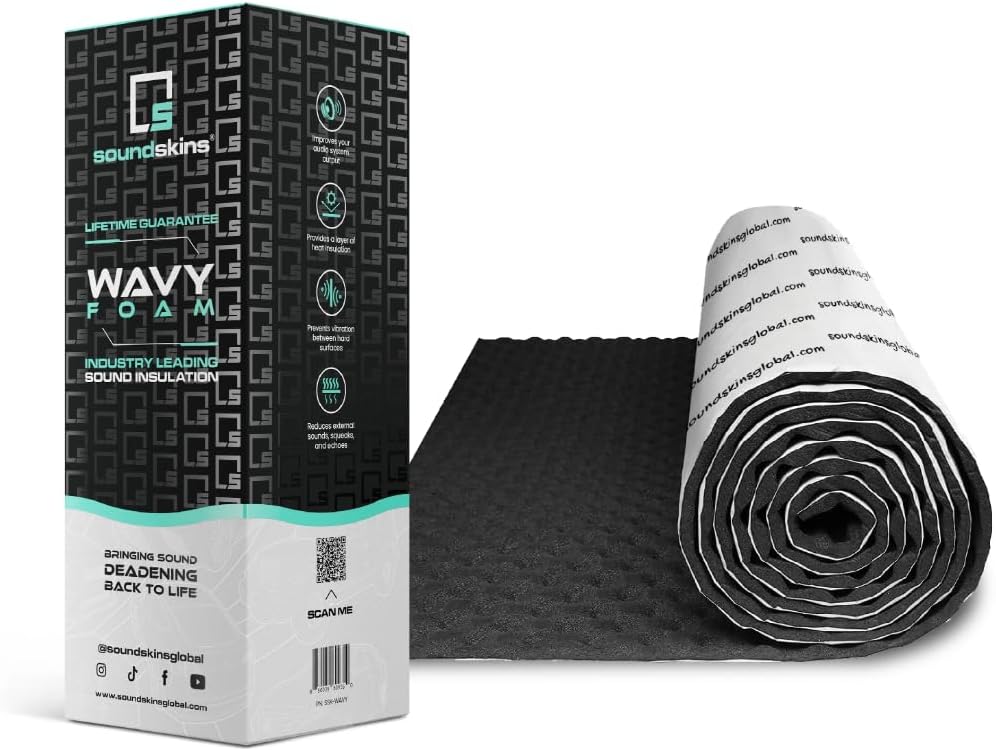
When choosing between two automotive soundproofing materials from SoundSkins, it’s essential to compare them based strictly on verified source content. This article examines the differences between the SSK Wavy 8mm Foam Mat and the 50 Mil Butyl and Foil Mat. Each offers distinct material properties and installation advantages for those looking to address vehicle noise, vibration, and insulation needs.How This Comparison Was Built
This side-by-side evaluation is based solely on manufacturer-provided materials and corroborated specifications. We have drawn all details from official product documentation and verified descriptions to avoid speculation, inference, or assumptions. Each section aligns directly with the source content for clarity and accuracy.Key Decision Factors Identified From the Source Content
Based on the source materials, several critical product attributes emerged: – Material type and thickness – Acoustic and thermal control capabilities – Fire and environmental resistance – Installation method and adhesive type – Coverage area per kitSoundSkins SSK Wavy 8mm Foam Mat for Sound Deadening and Vibration Control Overview
Soundskins 50 Mil Car Sound Deadening Mat 50 Sq Ft Kit Butyl and Foil Automotive Sound Dampener Overview
Head-to-Head Comparison: What the Evidence Shows
While both products serve similar goals in sound and vibration reduction, their materials, construction, and stated features differ significantly. The SSK Foam Mat incorporates closed cell foam with multi-domain use, including fire and moisture resistance. In contrast, the 50 Mil Mat employs a foil-layered butyl composition designed for structural vibration control, but does not claim fire safety or thermal metrics. Additionally, the SSK mat covers 32.3 sq ft, whereas the butyl version includes 50+ sq ft per kit.At-a-Glance Comparison Table
| Attribute | SSK Wavy 8mm Foam Mat | 50 Mil Butyl and Foil Mat |
|---|---|---|
| Material | Closed cell rubber-based foam | Butyl rubber + aluminum foil |
| Thickness | 8mm (315 mil) | 0.05 in (50 mil) |
| Coverage | 32.3 sq ft | 50+ sq ft |
| Fire Resistance | Stated | Not specified |
| Thermal Resistance | Stated (no R-value) | Implied (no R-value) |
| Adhesive | Peel-and-stick | Peel-and-stick |
| Installation Flexibility | Flexible, cut-to-fit | Flexible, cut-to-fit |
| Composition Layers | Single-layer foam | Single-layer butyl + foil |
Which One May Be the Better Fit for Different Situations
The SSK Foam Mat may be more suitable where added fire resistance or environmental durability is needed, such as in high-heat zones or areas exposed to moisture and chemicals. It also supports modest thermal insulation. The 50 Mil Butyl and Foil Mat, on the other hand, offers broader surface coverage and may be more aligned with large-scale vibration treatment projects where structural resonance is a primary concern.Frequently Asked Questions
Does either product include quantified sound or heat performance data?
No. While both mention acoustic and thermal benefits, neither provides decibel reduction figures or R-value specifications in the verified sources.
Are both products suitable for DIY installation?
Yes. Each includes a peel-and-stick backing and is described as trimmable for custom fits on curved or tight interior surfaces.
Can these materials be used together?
This comparison does not cover combined-use scenarios. Refer to individual product guidelines linked in the full reviews for compatibility considerations.