
Table of Contents
Overview
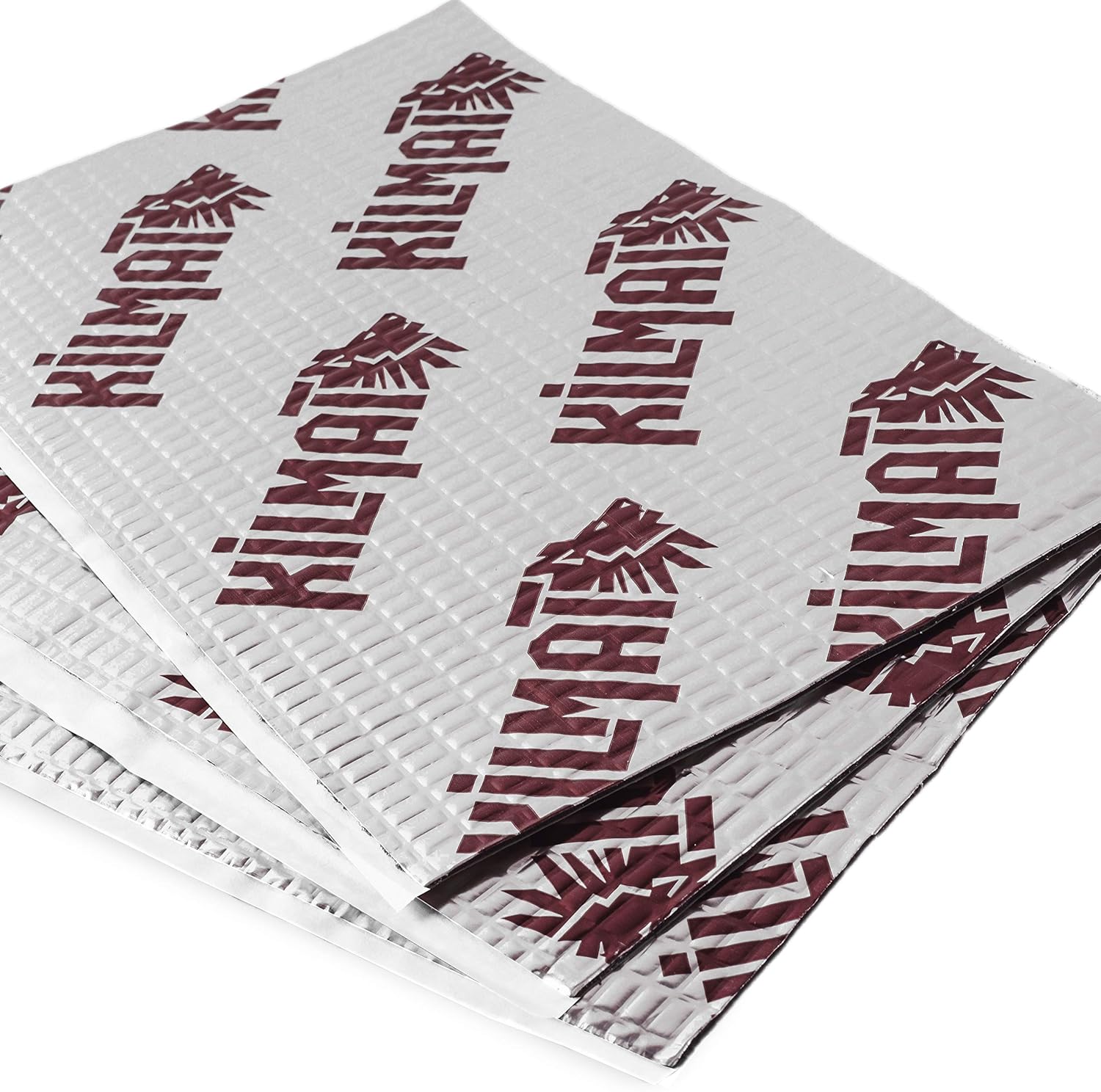
KILMAT 80 mil 36 sqft Car Sound Deadening Mat Butyl Automotive Sound Deadener Audio Noise Insulation and dampening is an 80 mil automotive sound deadening mat made with self-adhesive butyl and an aluminum foil layer. KILMAT is intended for interior vehicle surfaces where the goal is noise reduction and vibration dampening on metal panels such as doors, floors, trunks, and other interior areas.
HushMat Silencer Shop Roll is a 1/4 in. self-adhesive sound deadening foam shop roll with 20 sq. ft. of coverage. HushMat is described as a compressible closed cell synthetic rubber material used behind door trim panels and on the back of headliners, with acoustic, sealing, and thermal insulation properties.
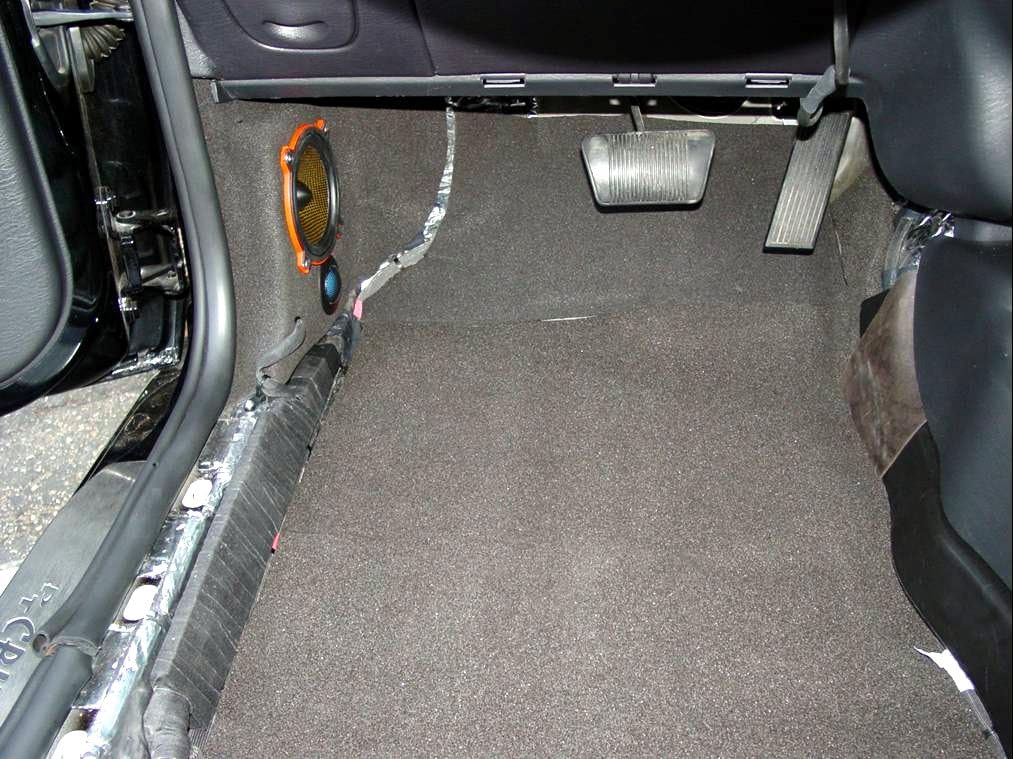
For a vehicle owner, the practical difference is project role. KILMAT is a butyl and foil damping mat for reducing vibration and resonance in metal panels. HushMat is a foam-based heat and sound barrier for higher frequency airborne noise, sealing, and thermal insulation in trim and headliner locations. The better fit depends on the surface, the kind of noise being addressed, and the installation area.
Key takeaways
- KILMAT is the better match when the project centers on butyl-based vibration dampening on interior metal panels.
- HushMat is the better match when the project centers on foam-based sound absorption, sealing, and thermal insulation behind trim or headliner areas.
- KILMAT provides 36 sq. ft. of coverage in individual sheets, while HushMat provides 20 sq. ft. in a shop roll format.
- Both are self-adhesive materials, but KILMAT installation emphasizes rolling the embossed foil smooth, while HushMat installation emphasizes forming, cutting, peeling, and sticking the foam roll.
- KILMAT is tied to doors, floors, trunks, and metal panels; HushMat is tied to behind door trim panels and the back of headliners.
What each option is best for
KILMAT is best for vehicle owners working on interior metal panels where vibration control, panel resonance reduction, and general automotive noise reduction are the main goals. Its 80 mil butyl and aluminum construction, embossed rolling indicator, and 36 sq. ft. coverage make it a fit for measured placement across doors, floors, trunks, and other vehicle metal surfaces.
HushMat is best for vehicle owners working behind door trim panels or on the back of headliners where a compressible foam material, acoustic absorption, sealing, and thermal insulation are the main priorities. Its 1/4 in. closed cell synthetic rubber construction is described for higher frequency airborne noise that damping materials do not treat.
Side-by-side comparison
| Criteria | KILMAT 80 mil 36 sqft Car Sound Deadening Mat Butyl Automotive Sound Deadener Audio Noise Insulation and dampening | HushMat Silencer Shop Roll |
|---|---|---|
| Fit / use-case match | Automotive noise reduction and vibration dampening on interior metal panels, including doors, floors, trunks, and other metal surfaces. | Sound absorption, sealing, and thermal insulation behind door trim panels and on the back of headliners. |
| Materials / performance signals | Self-adhesive automotive butyl with an aluminum foil layer; 80 mil thickness; described for sound insulation and vibration dampening. | Self-adhesive compressible closed cell synthetic rubber foam; 1/4 in. thickness; described for acoustic, sealing, and thermal insulation properties. |
| Install effort | Clean and degrease the surface, cut and position sheets, then roll the embossed foil until smooth and flat to confirm adhesion. | Form, cut, peel, and stick the shop roll; described as requiring no application equipment investment and no messy spray equipment. |
| Durability / longevity considerations | Strong self-adhesive backing is a recurring characteristic, with installation guidance focused on surface preparation and full rolling for proper adhesion. | Described as performing from -40 F up to 300 F and as unaffected by moisture and chemicals, including alkalis and acids. |
| Value, non-price only | 36 sq. ft. total coverage in sheets supports measured placement across multiple interior vehicle areas. | 20 sq. ft. shop roll format supports cut-to-fit placement behind trim and headliner areas. |
Installation / fitment notes
KILMAT installation centers on surface preparation and pressure. Vehicle surfaces should be clean and degreased before application. The material is self-adhesive and very sticky, and a roller is recommended so the embossed foil pattern becomes smooth and flat. Gloves are recommended because the foil edges can be sharp.
HushMat installation centers on placement behind trim and headliner areas. The material is self-adhesive and described with a peel-and-stick process. Its 1/4 in. thickness is described as ideal behind door trim panels and on the back of headliners, so fitment planning should account for trim clearance and the need to form and cut the shop roll to the intended area.
For a project that starts with bare metal panel resonance, KILMAT aligns with the damping step. For a project that involves airborne noise, sealing, or thermal insulation behind interior panels, HushMat aligns with the foam barrier step.
Pros and cons
KILMAT 80 mil 36 sqft Car Sound Deadening Mat Butyl Automotive Sound Deadener Audio Noise Insulation and dampening: Pros
- 80 mil butyl and aluminum construction.
- 36 sq. ft. total coverage.
- Self-adhesive backing.
- Embossed foil indicator helps confirm proper rolling.
- Described for automotive noise reduction and vibration dampening.
KILMAT 80 mil 36 sqft Car Sound Deadening Mat Butyl Automotive Sound Deadener Audio Noise Insulation and dampening: Cons
- Sharp foil edges require gloves during installation.
- Adhesive can leave residue on tools or surfaces.
- Proper installation requires surface cleaning, degreasing, and rolling.
HushMat Silencer Shop Roll: Pros
- Self-adhesive peel-and-stick application.
- Compressible closed cell synthetic rubber material.
- Described as having excellent sound absorption properties in the 600–4000 Hz range.
- Described as providing acoustic, sealing, and thermal insulation properties.
- Described as unaffected by moisture and chemicals, including alkalis and acids.
HushMat Silencer Shop Roll: Cons
- 20 sq. ft. coverage is less total coverage than KILMAT.
- Placement is described around behind door trim panels and back of headliners.
- Shop roll format requires forming, cutting, peeling, and sticking during application.
Who should choose KILMAT 80 mil 36 sqft Car Sound Deadening Mat Butyl Automotive Sound Deadener Audio Noise Insulation and dampening vs HushMat Silencer Shop Roll
- Choose KILMAT 80 mil 36 sqft Car Sound Deadening Mat Butyl Automotive Sound Deadener Audio Noise Insulation and dampening if your project starts with damping vibration and resonance on automotive metal panels.
- Choose KILMAT if you want 36 sq. ft. of self-adhesive butyl and foil sheets for doors, floors, trunks, or similar interior metal surfaces.
- Choose KILMAT if you want an embossed foil surface that gives a visible rolling indicator during installation.
- Choose HushMat Silencer Shop Roll if your project centers on a foam sound and heat barrier behind door trim panels or on the back of headliners.
- Choose HushMat if you want a compressible closed cell synthetic rubber material with acoustic and sealing properties.
- Choose HushMat if the stated 600–4000 Hz sound absorption range, thermal insulation, moisture resistance, and chemical resistance match your installation priorities.
FAQ
Is KILMAT 80 mil 36 sqft Car Sound Deadening Mat Butyl Automotive Sound Deadener Audio Noise Insulation and dampening the same type of material as HushMat Silencer Shop Roll?
No. KILMAT is described as a butyl and aluminum car sound deadening mat for vibration dampening and noise reduction on interior vehicle surfaces. HushMat is described as a 1/4 in. compressible closed cell synthetic rubber foam shop roll with acoustic, sealing, and thermal insulation properties.
Which one fits a door project better?
Both can be connected to door-related work, but they serve different placement needs. KILMAT is described for doors as part of interior metal panel damping. HushMat is described for behind door trim panels, where its foam construction supports sound absorption and sealing.
Which one is better for floors and trunks?
KILMAT is the supported choice for floors and trunks because those areas are specifically listed for its measured application. HushMat is described for behind door trim panels and on the back of headliners.
Which one is better for headliners?
HushMat is the supported choice for headliner-related placement because the 1/4 in. thickness is described as ideal on the back of headliners. KILMAT is described for interior metal surfaces such as doors, floors, and trunks.
Which one has more coverage?
KILMAT has 36 sq. ft. of coverage. HushMat has 20 sq. ft. of coverage.
Which one is easier to install?
Both are self-adhesive. KILMAT requires clean, degreased surfaces and rolling the embossed foil until smooth and flat. HushMat uses a form, cut, peel, and stick process and is described as requiring no application equipment investment and no messy spray equipment.
Which one is better for thermal insulation?
HushMat is the supported choice for thermal insulation because it is described as providing excellent thermal insulation and functioning as a heat and sound barrier. KILMAT is described around automotive noise reduction, vibration dampening, and sound insulation.
Can KILMAT and HushMat be chosen for different stages of the same vehicle project?
Yes. KILMAT fits the damping stage on interior metal panels, while HushMat fits foam-based absorption, sealing, and thermal insulation behind trim or headliner areas. The choice depends on the surface and the problem being addressed.
Conclusion
For a brand-level vehicle sound treatment decision, KILMAT and HushMat are not direct duplicates. KILMAT is the stronger fit when the priority is butyl and foil vibration dampening on metal panels with 36 sq. ft. of coverage. HushMat is the stronger fit when the priority is a foam-based sound and heat barrier for behind door trim panels or headliner placement.
Choose based on the job area first: metal panel damping points to KILMAT 80 mil 36 sqft Car Sound Deadening Mat Butyl Automotive Sound Deadener Audio Noise Insulation and dampening, while trim, headliner, sealing, and thermal insulation priorities point to HushMat Silencer Shop Roll.