
Table of Contents
Introduction
Vehicle owners looking to reduce noise and improve cabin acoustics often turn to aftermarket sound deadening materials. In this comparison, we examine the AggSound 394mil 10mm Automotive Sound Deadening Mat and the Dynamat Xtreme Sound Deadening Car Insulation Door Kit 10435, using verified information directly from each product’s review. Both products aim to control sound and vibration, but they differ significantly in design, use case, and installation considerations.How This Comparison Was Built
This comparison draws exclusively from the detailed review content found at AggSound 394mil 10mm Automotive Sound Deadening Mat and Dynamat Xtreme Sound Deadening Car Insulation Door Kit 10435. No additional assumptions or external sources were used. Each section below presents only what has been explicitly supported in the uploaded material.Key Decision Factors Identified From the Source Content
The most critical decision variables observed include: – **Material composition and structure**: Foam vs. butyl-based CLD – **Installation flexibility**: Pre-cut kit vs. cut-to-fit mat – **Use case scope**: Multi-zone vehicle insulation vs. focused door treatment – **Thickness and clearance**: 10mm foam vs. thinner butyl sheet – **Published technical metrics**: Absent for bothAggSound 394mil 10mm Automotive Sound Deadening Mat for Vehicle Noise Reduction Applications
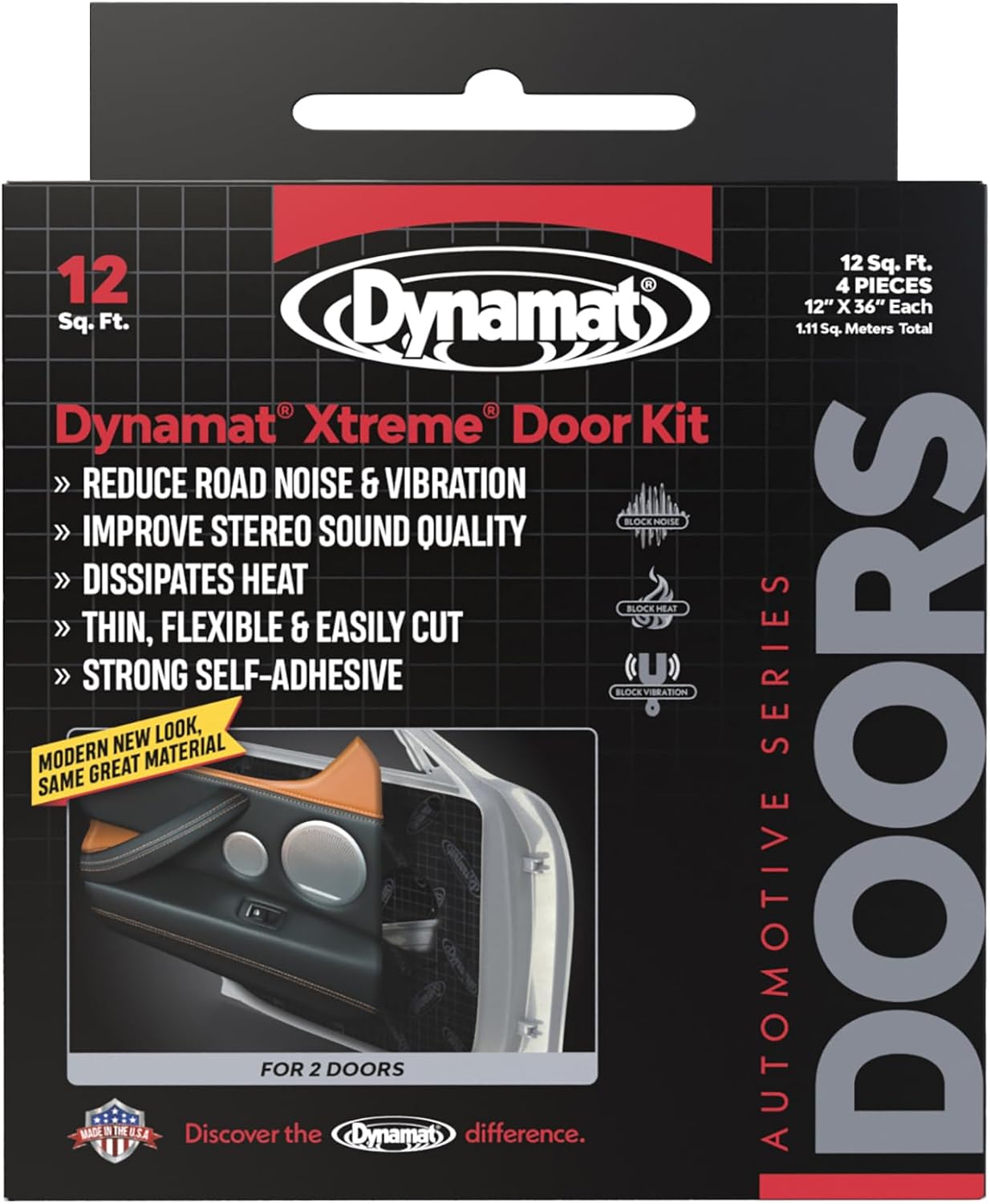
Dynamat Xtreme Sound Deadening Car Insulation Door Kit 10435 – Pre Cut Noise Dampening Kit for 2 Standard Car Doors – Easy Self Adhesive Install – Made in USA – 4 Sheets 12”x36” Each, 12 sq ft total
Head-to-Head Comparison: What the Evidence Shows
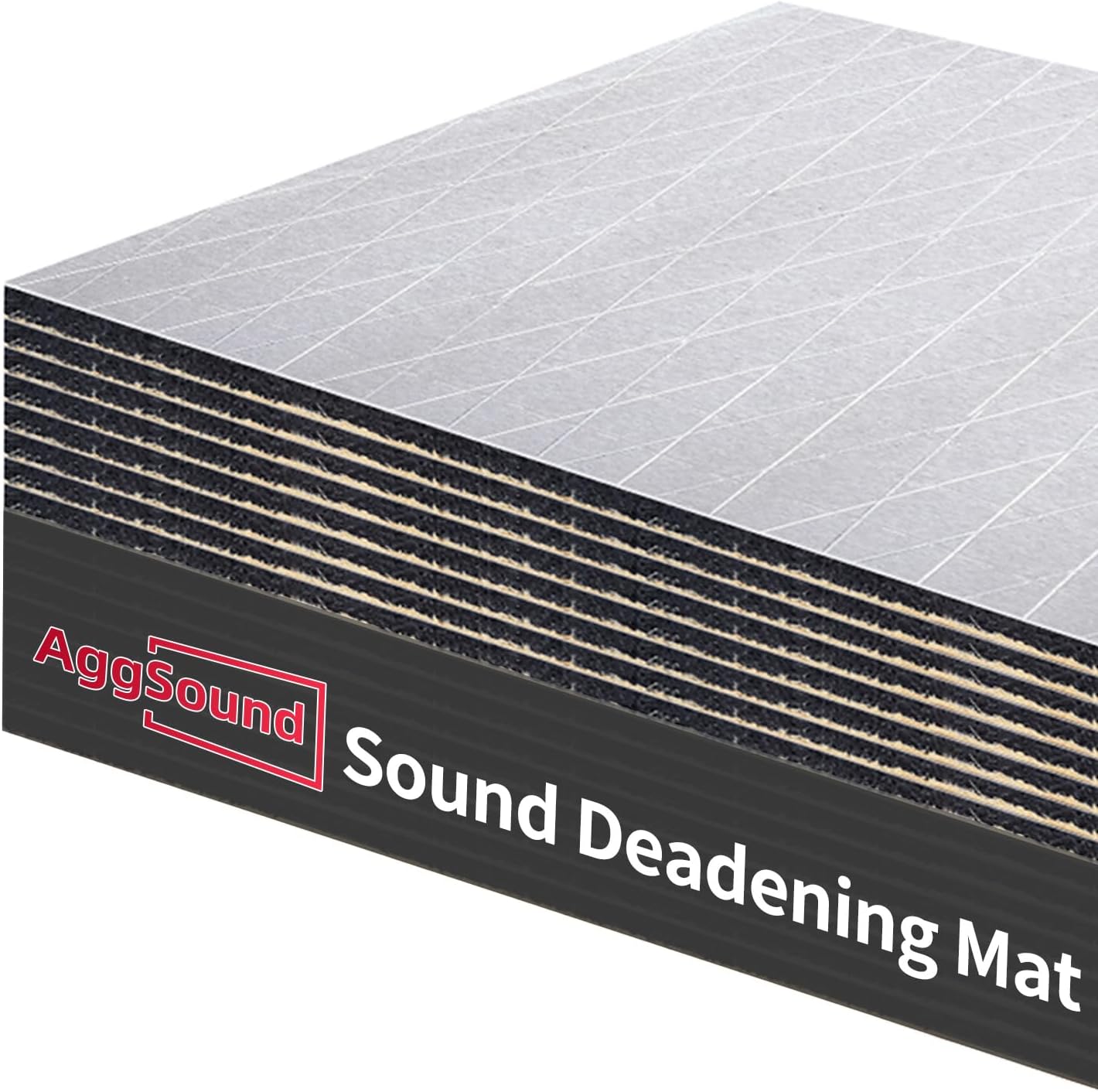
AggSound provides a thicker 10mm foam layer, potentially advantageous for dual sound and heat control across diverse vehicle surfaces. In contrast, Dynamat Xtreme is thinner and tailored for use specifically on doors, aligning more with traditional constrained layer damping approaches. AggSound’s mat requires trimming but supports broader application zones. Dynamat’s pre-cut convenience benefits users focused solely on door acoustics. While both employ adhesive backings, AggSound may require extra bonding support in complex areas, whereas Dynamat is designed for immediate, tool-assisted adhesion. Neither product provides formal decibel ratings or engineering specifications, making comparative performance purely situational and user-experience-based.At-a-Glance Comparison Table
| Feature | AggSound 394mil 10mm Mat | Dynamat Xtreme Door Kit 10435 |
|---|---|---|
| Material Type | Closed-cell foam + aluminum + adhesive | Butyl rubber + aluminum layer |
| Thickness | 10mm (394 mil) | 0.07 inches (approx. 1.78 mm) |
| Installation | Cut-to-fit, peel-and-stick | Pre-cut, peel-and-stick |
| Use Case | Floors, trunks, doors, hoods, RVs | 2 standard car doors |
| Performance Ratings | Not specified | Not specified |
| Thermal Barrier | Yes | Not specified |
Which One May Be the Better Fit for Different Situations
Drivers seeking broad insulation across multiple surfaces—especially where both heat and sound reduction are goals—may find AggSound better suited due to its foam density and thicker profile. However, those looking for a high-adhesion, low-profile solution tailored for door installations may lean toward Dynamat Xtreme for its pre-cut ease and reliable bonding to metal surfaces. Fitment constraints should also guide selection. AggSound’s 10mm thickness may conflict with tight panel clearances, whereas Dynamat’s thinner sheets offer easier door reintegration post-installation.Frequently Asked Questions
Is either product rated for thermal insulation?AggSound explicitly includes thermal reflection in its material design. Dynamat does not provide specific thermal metrics. Do they require special tools for installation?
Both products benefit from the use of seam rollers for better adhesion, but neither mandates specialized tools. Are performance specifications like decibel reduction available?
No formal acoustic performance metrics are published for either product.