Introduction
When comparing mass loaded vinyl barriers with a 1 lb per square foot density, two commonly considered options are the Soundsulate Next Generation and the TroyStudio Mass Loaded Vinyl. Both are positioned as dense, flexible sound barriers, but they differ in material composition, size format, vibration characteristics, and installation context. This comparison focuses strictly on what is stated in their respective reviews to clarify how each product is described and where their specifications diverge.
Key Decision Factors Identified From the Review Content
The review content highlights differences in sheet size, thickness, published STC figures, material construction, vibration positioning, environmental resistance, and intended installation contexts. The STC figures require their original test construction or specimen context before they can be compared as installed-system performance.
- Material composition (PVC vs rubber/polymer blend with fabric backing)
- Sheet dimensions and total coverage per unit
- STC rating (27 vs 28)
- Vibration dampening support
- Waterproof and flame-retardant properties
Soundsulate Next Generation 1 lb Mass Loaded Vinyl Soundproofing Roll for Walls Ceilings and Automotive Overview
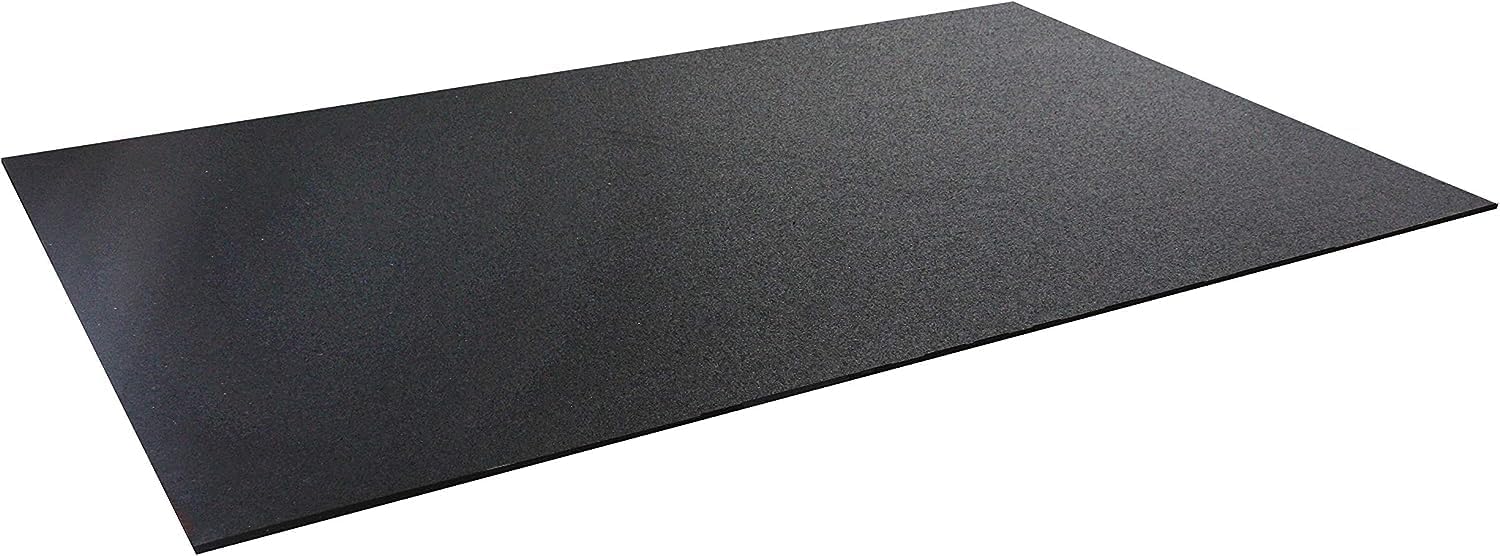
The Soundsulate Next Generation is described as a PVC-based mass loaded vinyl barrier with an area density of 1 lb per square foot. Each sheet measures 4 feet by 8 feet, providing 32 square feet of coverage and weighing 32 pounds. The listed thickness is approximately 0.12 inches (1/8 inch).
It carries a published STC figure of 27 and is positioned for use behind drywall, under floors, inside doors, and in automotive interiors. The cited review does not provide enough test-construction detail here to treat that figure as a universal installed-assembly rating. The review also specifies that the material is not intended to mitigate impact noise or structural vibration. Installation may require mechanical fasteners or acoustical adhesives, and full surface coverage is emphasized.
For a closer look at specifications and application details, see the full breakdown of the Soundsulate Next Generation.
TroyStudio Mass Loaded Vinyl Sound Proof Barrier 1 lb/sqft MLV Insulation Sheet Overview
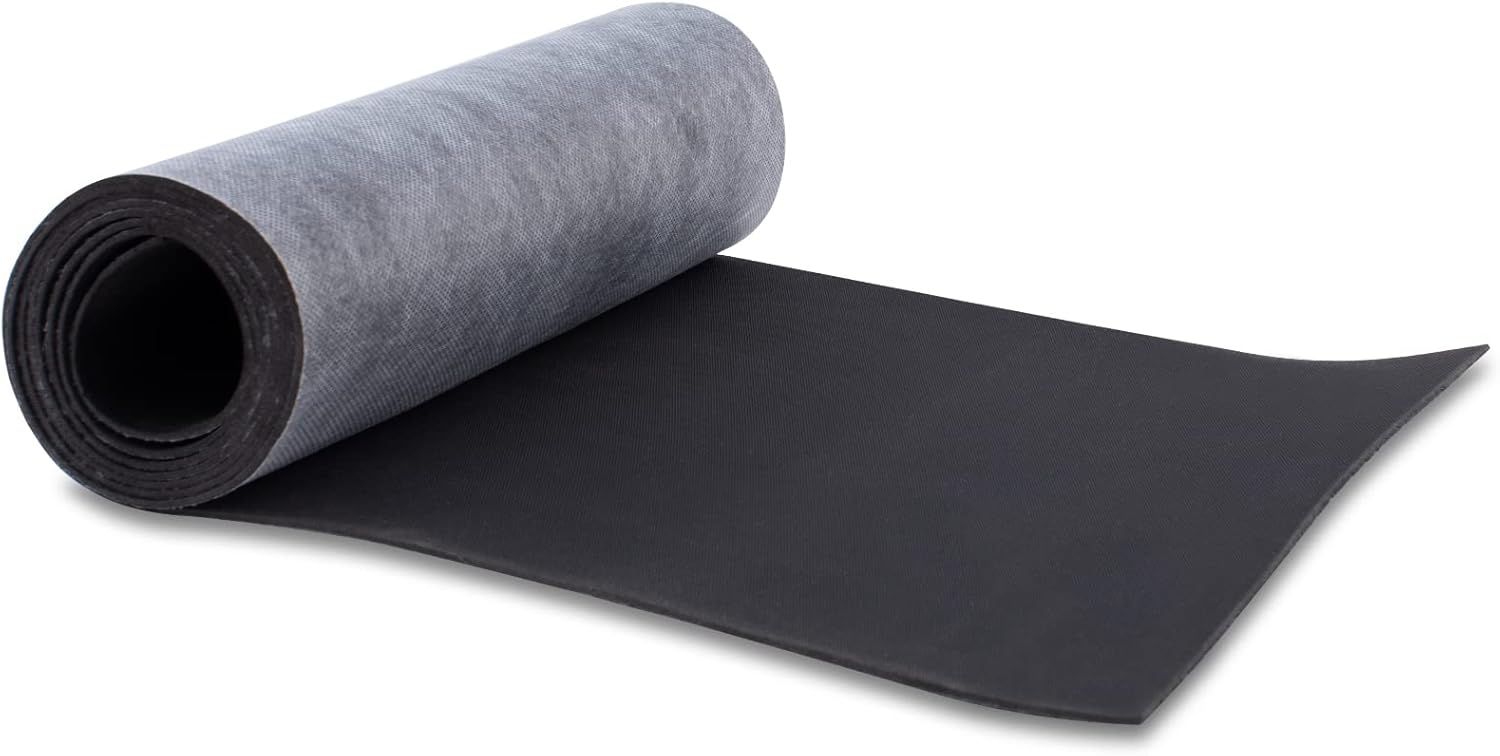
The TroyStudio Mass Loaded Vinyl is described as a dense soundproofing sheet with an area density of 1 lb per square foot and a thickness of approximately 0.13 inches. Each sheet measures 1 foot by 8 feet, providing 8 square feet of coverage and weighing about 8 pounds.
Its construction includes high-damping rubber combined with polymer metal powder and a nonwoven fabric backing. The listed STC figure is 28, but the cited review does not provide enough test-specimen or construction detail here to treat it as a universal installed-assembly rating. The product description also positions the rubber composition as supporting vibration dampening; that positioning should not be treated as evidence of structural isolation or impact-noise control. The product is also listed as waterproof and flame retardant with a B1 rating.
Further installation and application details are outlined in the full review of the TroyStudio Mass Loaded Vinyl.
Head-to-Head Comparison: What the Evidence Shows
Both products are rated at 1 lb per square foot and are positioned as flexible barriers for adding mass to walls, ceilings, and enclosures. However, their material composition differs significantly. Soundsulate is described as PVC-based, while TroyStudio uses a rubber and polymer metal powder blend with a fabric backing.
The published STC figures are close but not identical: Soundsulate is listed at 27 and TroyStudio at 28. Without equivalent test-specimen and construction details, that one-point difference does not establish acoustic superiority or predict the relative STC of finished wall, ceiling, floor, or enclosure assemblies. Thickness is also slightly different, at approximately 0.12 inches for Soundsulate and 0.13 inches for TroyStudio.
In terms of physical format, Soundsulate provides a larger 4 ft by 8 ft sheet totaling 32 square feet per unit, while TroyStudio comes in a narrower 1 ft by 8 ft sheet with 8 square feet of coverage. The reviews also distinguish their vibration positioning: Soundsulate is not intended for impact or structural vibration mitigation, whereas TroyStudio is described as supporting vibration dampening.
Environmental properties further separate them, as TroyStudio is specifically identified as waterproof and flame retardant with a B1 rating. Equivalent classifications are not specified in the Soundsulate review.
At-a-Glance Comparison Table
| Feature | Soundsulate Next Generation | TroyStudio Mass Loaded Vinyl |
|---|---|---|
| Area Density | 1 lb per square foot | 1 lb per square foot |
| STC Rating | 27 | 28 |
| Thickness | Approximately 0.12 inches | Approximately 0.13 inches |
| Sheet Size | 4 ft x 8 ft | 1 ft x 8 ft |
| Coverage per Sheet | 32 square feet | 8 square feet |
| Material Composition | PVC | Rubber and polymer metal powder with nonwoven fabric backing |
| Vibration Dampening | Not intended to mitigate structural vibration | Described as supporting vibration dampening |
| Waterproof / Flame Rating | Not specified in the available review details. | Waterproof and flame retardant (B1 rating) |
Which One May Be the Better Fit for Different Situations
Based on the review descriptions, the Soundsulate Next Generation may align with projects requiring larger sheet coverage in a single panel format, such as wall or ceiling assemblies, and where PVC construction is preferred. It is also explicitly described as not intended for structural vibration control.
The TroyStudio Mass Loaded Vinyl may be relevant where its manufacturer-described vibration-dampening characteristic, waterproof construction, or flame-retardant B1 rating matters to the application. That vibration positioning should not be treated as a substitute for structural isolation or a demonstrated impact-noise treatment. Its narrower sheet format may suit installations where smaller sections are needed.
Product-specific details for Soundsulate Next Generation and TroyStudio Mass Loaded Vinyl can provide additional context for project planning.
Frequently Asked Questions
Do both products have the same density?
Yes. Both are described as having an area density of 1 lb per square foot.
What STC figures are listed for the two products?
TroyStudio is listed with an STC figure of 28, while Soundsulate is listed at 27. The one-point difference should not be read as proof that TroyStudio will provide greater sound isolation in an installed assembly without equivalent test-construction details.
Are both designed for vibration control?
No. The Soundsulate review states it is not intended to mitigate impact sounds or structural vibration, whereas TroyStudio is described as supporting vibration dampening.
Are environmental resistance properties specified for both?
TroyStudio is described as waterproof and flame retardant with a B1 rating. Equivalent classifications for Soundsulate are not stated in the researched material.
Closing Guidance
Both products are positioned as 1 lb per square foot mass loaded vinyl barriers for adding mass to walls, ceilings, and enclosures. The primary distinctions reported in the review content center on material construction, sheet dimensions, published STC figures, vibration positioning, and environmental resistance classification. Those STC and vibration descriptions should be interpreted in their stated product and test context rather than as proof of universal installed-assembly performance.
If you want a deeper breakdown of specifications and installation context, you can review the detailed write-ups for Soundsulate Next Generation and TroyStudio Mass Loaded Vinyl before making a final decision.