
Introduction
Both products address acoustic and thermal applications, yet they differ notably in material composition, application context, and installation structure. This comparison distinguishes MP Global’s manufacturer documentation for Quieture from product-listing specifications used for BXI, and qualifies performance figures according to the evidence available.
How This Comparison Was Built
This article uses current MP Global technical documentation for Quieture and product-listing information for BXI, alongside the previously reviewed source pages linked below. Quieture assembly and fire-performance statements are attributed to MP Global documentation. BXI’s NRC 0.75 and 24dB average transmission-loss figures are presented as listing-stated specifications and are not treated here as independently verified laboratory measurements. Readers can review the individual product breakdowns at the BXI panel review and the Quieture panel review.
Key Decision Factors Identified From the Source Content
From the verified product materials, the following decision points emerged:
- Material construction: Foam and rubber composite vs. recycled fiberboard
- Acoustic performance metrics: NRC vs. STC-rated configurations
- Installation methods and included hardware
- Thermal insulation handling and resistance characteristics
- Fire rating disclosures
BXI Double Noise Blocker Acoustic Foam Rubber Panels for HVAC, Pipes, and Walls
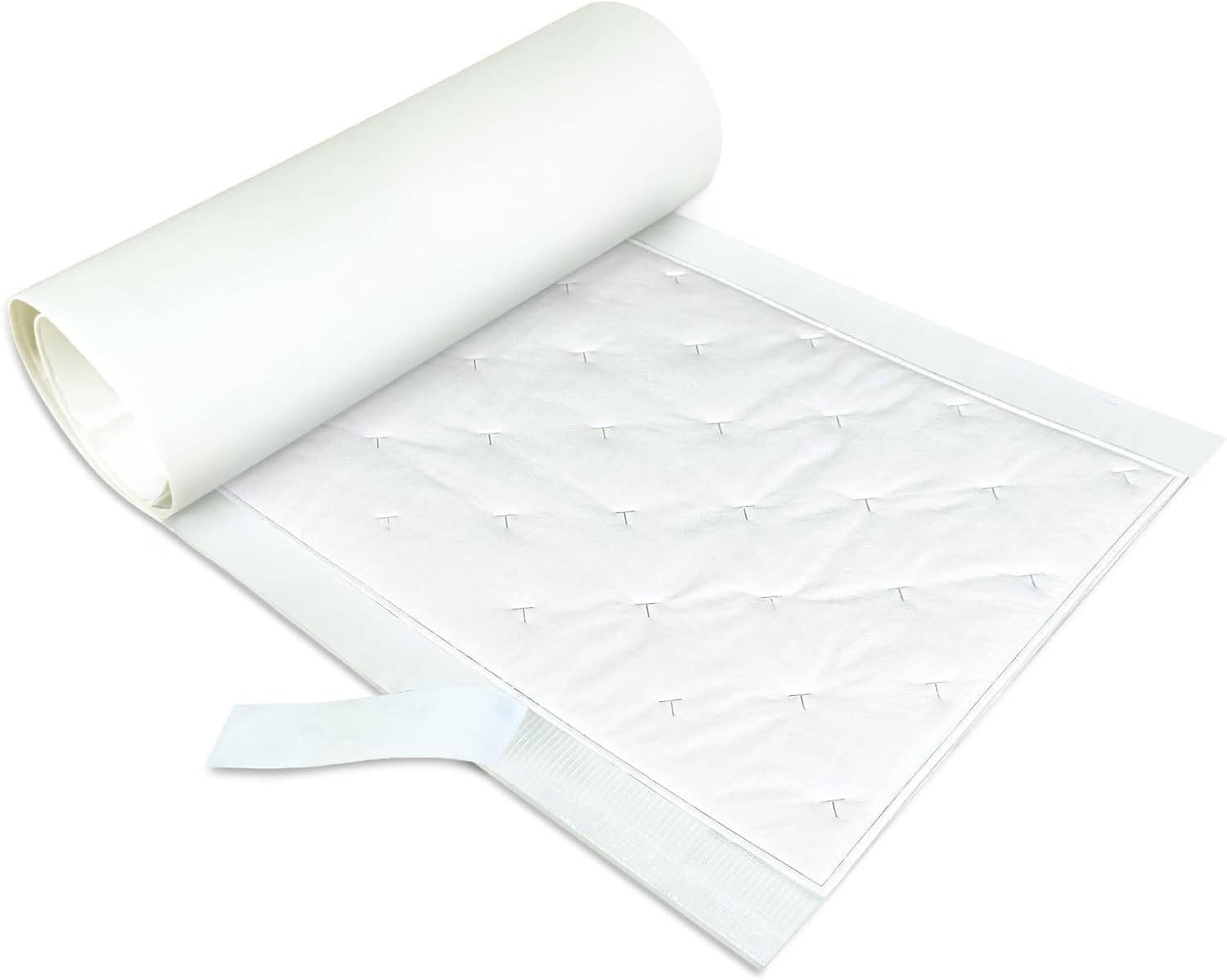
The BXI Double Noise Blocker is described in its product listing as a dual-layer panel made of space cotton and dense rubber for targeted noise and vibration treatment on HVAC components, machinery, and small wall areas. The listing describes closed-cell construction with moisture- and heat-resistant characteristics and includes pre-applied 3M adhesive and zip ties for pipe applications. BXI’s listing states an NRC of 0.75 and an average transmission loss of 24dB; these are listed product specifications rather than independently verified measurements presented by this comparison. Learn more about the BXI panel on Amazon.
Quieture Soundboard Acoustic Panels: Sound Absorbing Fiberboard for Walls, Ceilings, and Floors
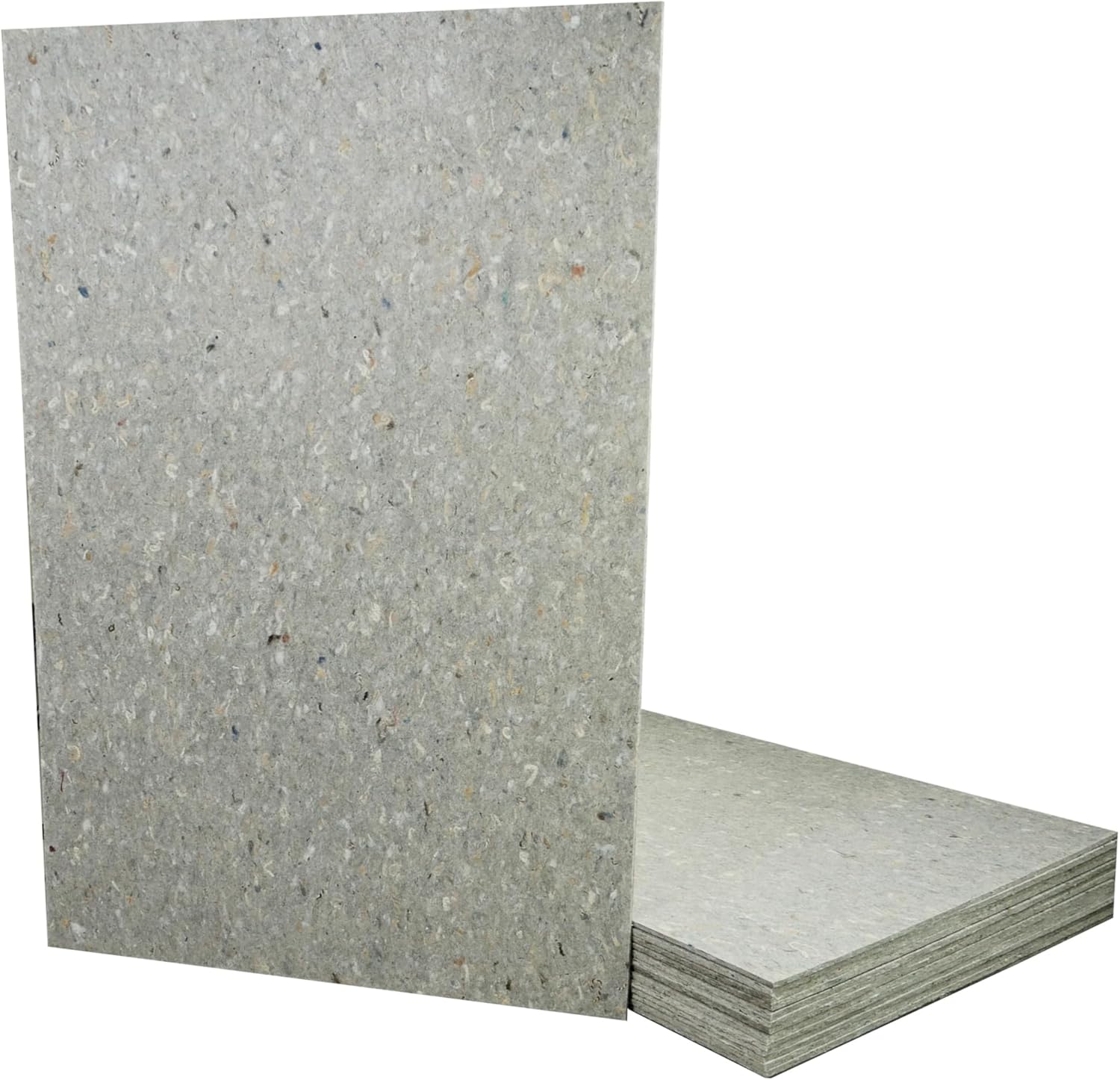
Quieture Soundboard panels are made from 100% recycled synthetic fiber and are intended for acoustic and thermal use in walls, ceilings, and floors. MP Global’s technical documentation reports STC 43, STC 48, and STC 50 for specific complete wall assemblies with defined construction details; these are assembly ratings, not a standalone STC rating for the Quieture board. Current documentation lists a Class C fire rating for the optional facer and separately lists Federal Flammability Standard 1-70 (Pill Test) and ASTM F1482. MP Global also states that the recycled content can contribute toward LEED credits. Installation options include adhesive, staples, or mechanical fasteners. View the Quieture panel on Amazon.
Head-to-Head Comparison: What the Evidence Shows
BXI’s dual-layer foam and rubber design contrasts with Quieture’s recycled synthetic-fiber construction. BXI’s product listing states an NRC of 0.75 and an average transmission loss of 24dB, while MP Global documents STC 43, STC 48, and STC 50 for specific complete wall assemblies incorporating Quieture. The BXI figures are listing-stated specifications, and the Quieture STC values describe those complete assemblies rather than a standalone board rating. The BXI panel includes adhesive backing and hardware for curved surface mounting, whereas Quieture offers multiple installation methods for broad flat-surface applications.
Current MP Global documentation does not support the Class A wording previously shown here. It lists a Class C fire rating for the optional facer and separately lists Federal Flammability Standard 1-70 (Pill Test) and ASTM F1482, so fire-performance requirements should be checked against the exact Quieture configuration and current manufacturer documentation. Quieture uses 100% recycled synthetic fiber, and MP Global states that the recycled content can contribute toward LEED credits. BXI’s listing describes heat resistance, non-toxicity, and tear resistance.
At-a-Glance Comparison Table
| Feature | BXI Double Noise Blocker | Quieture Soundboard Panels |
|---|---|---|
| Material Type | Foam + Rubber Composite | Recycled Fiberboard |
| Acoustic Rating | Listing states NRC 0.75 / 24dB average transmission loss | STC 43 / 48 / 50 for specific complete wall assemblies |
| Fire Rating | Not Specified | Optional facer: Class C; separate Pill Test and ASTM F1482 listings |
| Thermal Function | Stated (No R-Value) | Stated (No R-Value) |
| Installation | Adhesive Backing + Zip Ties | Adhesive, Staples, or Fasteners |
| Environmental Attributes | Non-toxic, Tear-resistant | 100% Recycled Content, LEED Eligible |
Which One May Be the Better Fit for Different Situations
BXI’s construction and included zip ties support targeted mechanical and pipe-wrapping applications described in its listing. Quieture, by contrast, is intended for integration into walls, ceilings, and floors. MP Global’s STC 43, STC 48, and STC 50 values apply to specific complete wall assemblies, while fire-performance requirements should be checked against the exact Quieture configuration and current manufacturer documentation.
Frequently Asked Questions
Can either product be used outdoors? BXI’s listing describes moisture- and heat-resistant material, but that does not by itself establish an outdoor-use rating. Quieture is intended for interior building applications.
Are these standalone acoustic solutions? BXI is described for targeted treatment of components and surfaces. Quieture is integrated into building assemblies, and its documented STC values apply to specific complete wall assemblies rather than the board alone.
What fire-performance information is available? The BXI product information reviewed here does not specify a fire rating. Current MP Global documentation lists a Class C fire rating for Quieture’s optional facer and separately lists Federal Flammability Standard 1-70 (Pill Test) and ASTM F1482; requirements should be checked against the exact configuration and current documentation.
Closing Guidance
Both BXI and Quieture offer distinct approaches to acoustic and thermal paneling. Users seeking targeted mechanical insulation around piping or equipment may explore the BXI panel, while those working on broad-area sound isolation in compliant construction projects may consider the Quieture panel. For full feature context and situational application, read the in-depth product reviews for BXI and Quieture.