
Table of Contents
Introduction
Choosing between DGSL Neoprene Adhesive Foam Sheets and Amylove 10 Pcs Fire Putty Pads comes down to intended function. While both products are discussed in the context of wall assemblies and sound-related applications, their core design goals differ. One focuses on adhesive-backed neoprene foam for sealing, insulation, and cushioning tasks. The other centers on moldable firestop pads for electrical boxes and wall penetrations.
This comparison highlights what each product is explicitly described to do, how they differ in material and installation method, and where each may align better with specific project requirements.
Key Decision Factors Identified From the Review Content
The review content emphasizes differences in material type, installation method, and primary function—adhesive neoprene foam versus moldable firestop compound—along with how each product addresses sealing, insulation, fire containment, and potential sound attenuation.
DGSL Neoprene Adhesive Foam Sheets for DIY Soundproofing and Sealing Applications Overview
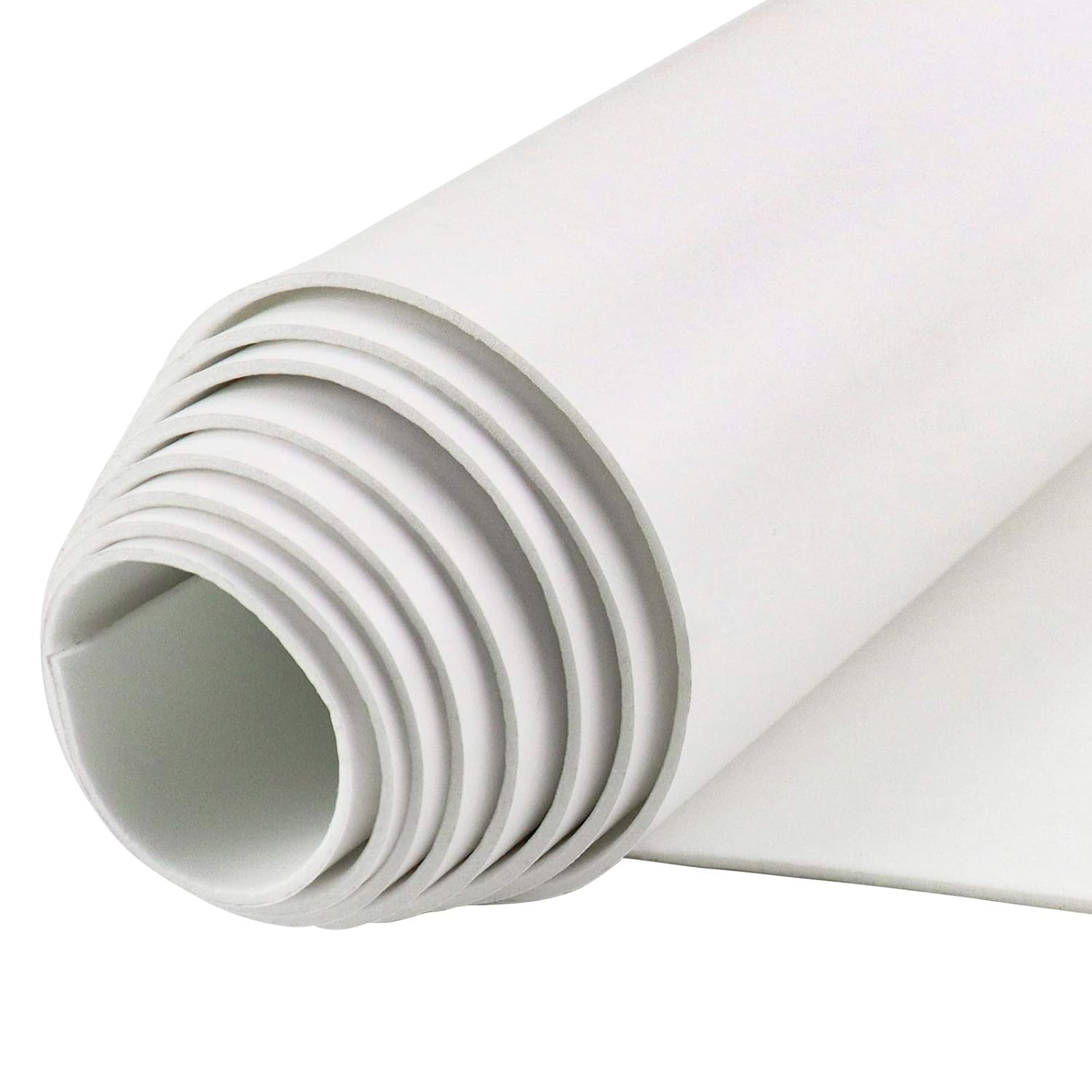
DGSL Neoprene Adhesive Foam Sheets consist of closed-cell neoprene sponge rubber supplied in a roll measuring 12 inches wide, 59 inches long, and 1/16 inch thick. The closed-cell structure is described as supporting moisture resistance, anti-slip behavior, and general environmental resistance.
An adhesive backing with a release liner allows direct application to clean, flat surfaces. The material can be trimmed with common tools and layered when additional thickness is required. Described uses include drawer lining, equipment padding, vibration dampening in automotive contexts, sealing gaps, and gasket replacement. Sound control is referenced as a potential application, particularly in indoor environments.
For full installation details and use examples, see the detailed review of DGSL Neoprene Adhesive Foam Sheets.
Amylove 10 Pcs Fire Putty Pads for Wall Openings and Electrical Boxes Overview
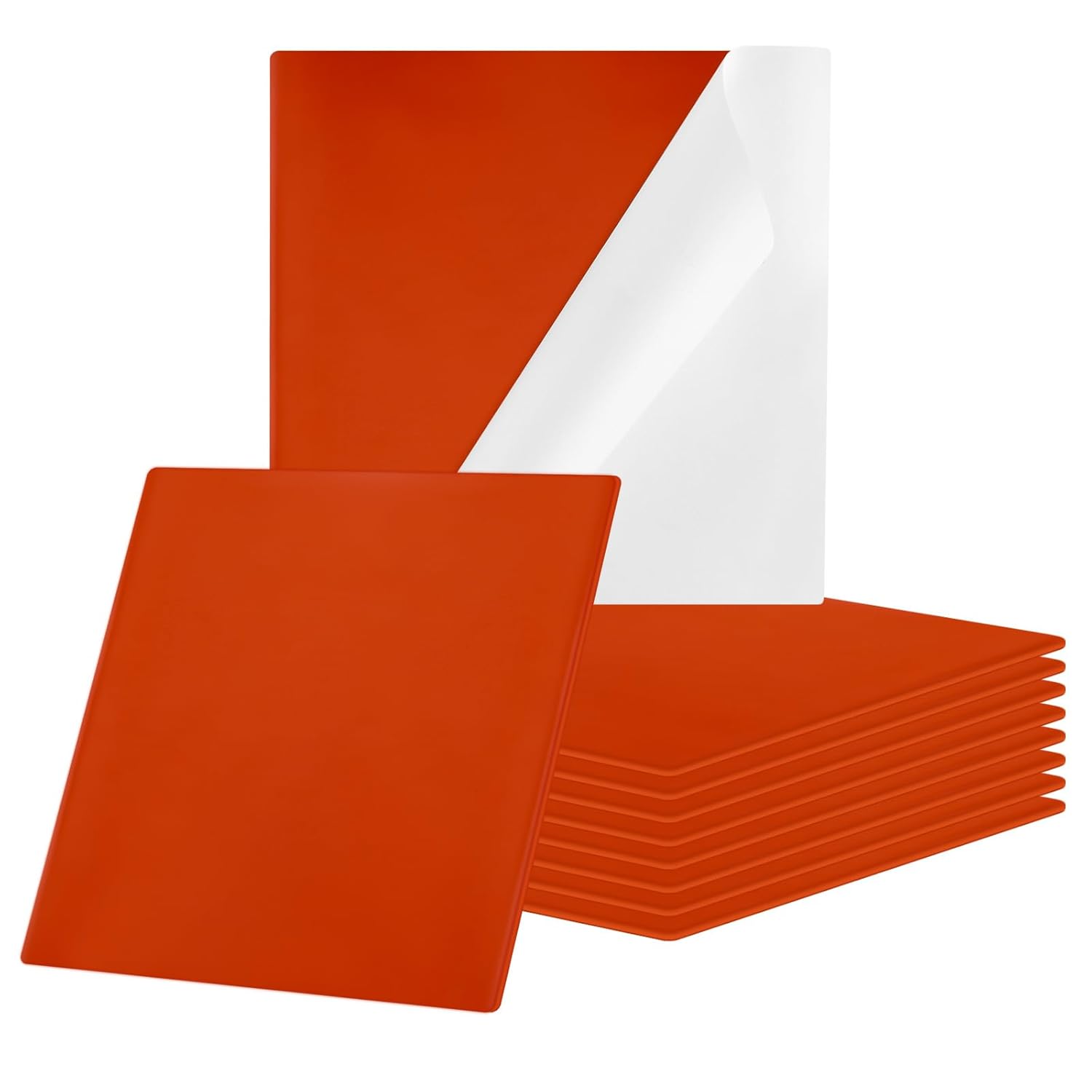
Amylove 10 Pcs Fire Putty Pads are hand-moldable pads measuring 7 by 7 inches, designed for placement around electrical boxes and wall openings. The red firestop compound does not require mixing, curing, adhesives, or fasteners.
The pads are described as pliable and non-hardening, allowing repositioning and reuse during installation. Their primary role is maintaining fire and smoke containment at wall penetrations. The review also notes that when properly sealed around outlets or cavities, they may contribute to reducing airborne noise transmission.
Additional positioning and handling details are available in the full review of Amylove 10 Pcs Fire Putty Pads.
Head-to-Head Comparison: What the Evidence Shows
The DGSL product centers on adhesive-backed closed-cell neoprene foam intended for sealing, insulation, cushioning, and vibration dampening. Its installation relies on surface adhesion and trimming to size.
In contrast, Amylove’s pads are moldable firestop materials intended for sealing wall penetrations around electrical boxes. Installation is manual shaping and pressing into place, without adhesives or curing.
Both products are described as potentially assisting with sound-related concerns. DGSL references sound control and dampening in indoor settings, while Amylove notes possible airborne noise reduction when properly sealed in wall cavities. However, the structural role differs: one acts as compressible foam with adhesive backing, the other as a non-hardening fire barrier compound.
At-a-Glance Comparison Table
| Feature | DGSL Neoprene Adhesive Foam Sheets | Amylove 10 Pcs Fire Putty Pads |
|---|---|---|
| Primary Material | Closed-cell neoprene sponge rubber | Red firestop compound |
| Form Factor | Roll | Individual pads (10 pieces) |
| Dimensions | 12 in × 59 in × 1/16 in | 7 in × 7 in (each pad) |
| Installation Method | Adhesive backing with release liner | Hand-moldable; no adhesives or curing required |
| Fire Containment Role | Not specified in the available review details. | Designed to support fire and smoke containment at wall penetrations |
| Reusability | Not stated in the researched material. | Reusable and repositionable during installation |
| Sound-Related Reference | Referenced for sound control and dampening applications | May assist with airborne noise reduction when properly sealed |
Which One May Be the Better Fit for Different Situations
DGSL Neoprene Adhesive Foam Sheets may align better with projects involving surface lining, vibration dampening, gap sealing, or custom-cut insulation where adhesive-backed foam is appropriate.
Amylove 10 Pcs Fire Putty Pads may be more suitable for applications focused on sealing electrical boxes and wall penetrations to help maintain fire and smoke containment, with the added possibility of reducing airborne noise when fully sealed.
The key distinction is structural role: compressible adhesive foam versus moldable, non-hardening firestop material.
Frequently Asked Questions
Are both products designed specifically for soundproofing?
DGSL references sound control and dampening as potential uses. Amylove notes possible airborne noise reduction when properly sealed. Neither product is described as a dedicated acoustic panel system.
Do both require adhesives for installation?
DGSL includes an adhesive backing with a release liner. Amylove does not require adhesives, fasteners, or curing.
Can both be cut or shaped to fit?
DGSL can be trimmed with scissors or utility tools. Amylove pads are shaped by hand and remain pliable.
Closing Guidance
The decision depends on whether the project centers on surface-mounted foam for sealing and cushioning or on maintaining fire barrier continuity at electrical penetrations. DGSL Neoprene Adhesive Foam Sheets focus on adhesive-backed neoprene applications, while Amylove 10 Pcs Fire Putty Pads address moldable fire containment around wall openings.
For a deeper breakdown of installation details and practical use cases, consult the full standalone reviews linked above.