
Table of Contents
Introduction
When choosing acoustic treatment for studios or small enclosed spaces, both Mybecca Acoustic Foam Panels and Audiosoul 52 Pack Acoustic Panels offer cost-conscious options for managing echo and sound reflection. This article presents a side-by-side evaluation based strictly on documented specifications and descriptions from the original product materials. Readers exploring Mybecca Acoustic Foam Panels or Audiosoul’s wedge-style acoustic foam panels will find here a structured view of key distinctions without promotional language or subjective interpretation.
How This Comparison Was Built
All product insights presented below are drawn exclusively from verified manufacturer or supplier documentation. No claims have been added or inferred beyond what is supported by those original sources. Comparative evaluation is organized around explicit differences in structure, material characteristics, and included specifications, with each claim classified by its level of source support.
Key Decision Factors Identified From the Source Content
Several structural factors differentiate the two options. Audiosoul emphasizes dimensional uniformity and wedge-shaped design, while Mybecca offers a broader variety of panel geometries and includes stated NRC values for some variants. Other key comparison points include foam material disclosure, packaging quantity, and the inclusion (or absence) of mounting hardware or certifications.
Mybecca Acoustic Foam Panels Overview
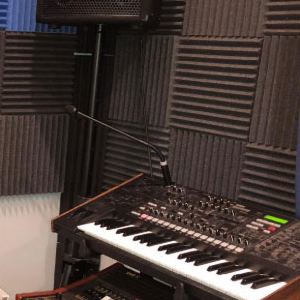
Mybecca offers a diverse lineup of acoustic foam formats, including wedges, bass traps, eggcrate, and hexagonal tiles. The products target budget-conscious buyers seeking basic echo and slap-back control in multi-surface setups. While the NRC rating of 1.32 is explicitly listed for Mybecca’s bass trap configuration, equivalent ratings for wedge panels are not provided. Mounting options are not detailed in the source, and buyers may need to consider supplemental materials. To explore detailed product coverage, visit the full Mybecca Acoustic Foam Panels review.
Audiosoul 52 Pack Acoustic Panels 1 x 12 x 12 Inches Overview
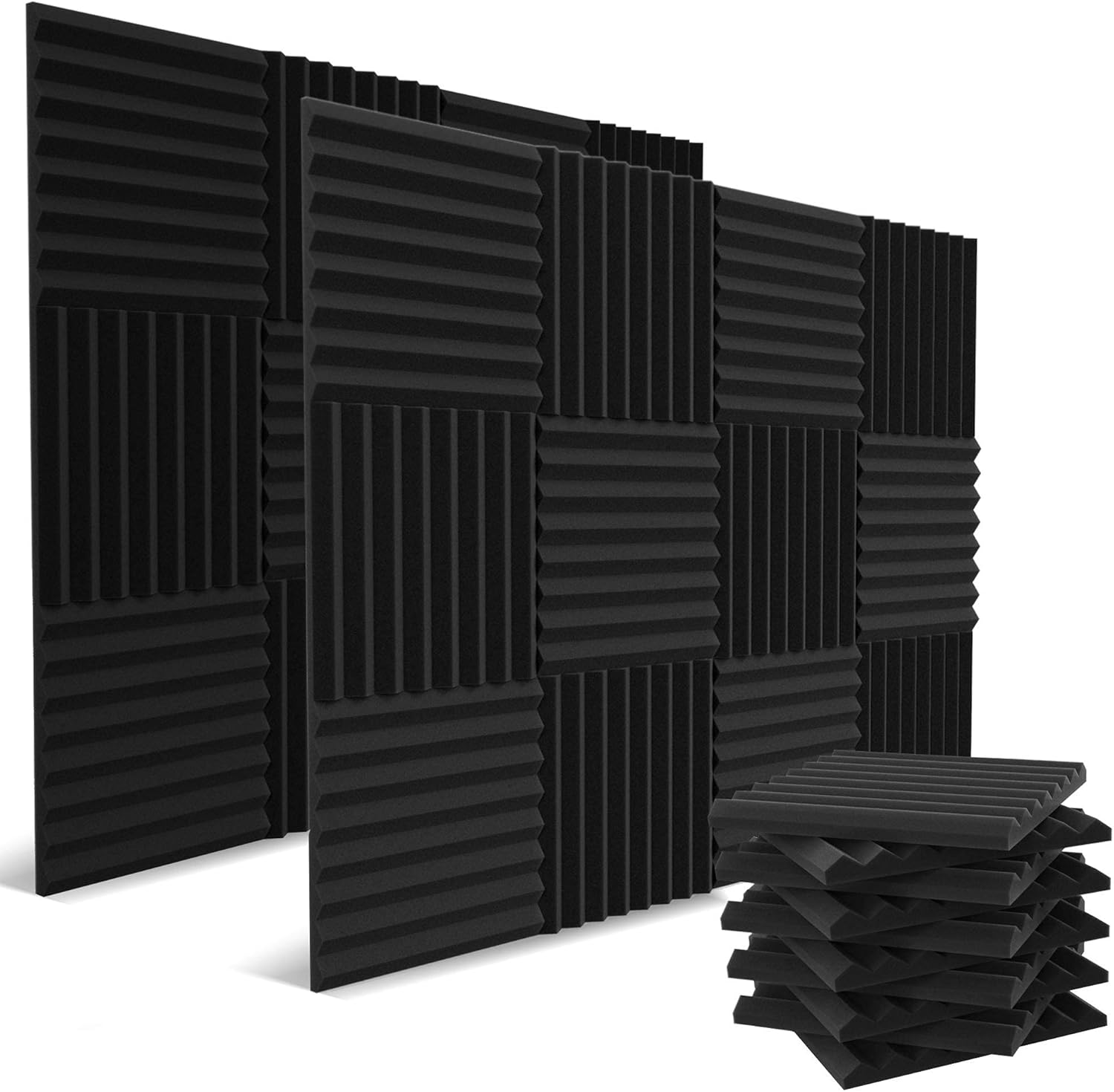
Audiosoul’s product delivers a uniform solution with all 52 panels measuring 1 x 12 x 12 inches in a consistent wedge design. Made from polyurethane foam, these panels are described as flexible and lightweight, suitable for wall or ceiling mounting in environments prioritizing internal sound balance. The product does not include mounting adhesives, NRC ratings, or fire safety certifications. Users seeking a basic acoustic panel set for room treatment can view the Audiosoul foam panels on Amazon for additional purchase details. For more specific context, see the full Audiosoul Acoustic Panels breakdown.
Head-to-Head Comparison: What the Evidence Shows
Both products offer wedge-style acoustic foam solutions aimed at managing reflected sound, but their documentation reveals differences in panel variety, specification depth, and bundled support. Mybecca includes multiple form factors beyond wedges and discloses an NRC rating for some variants, though not for the wedge panels specifically. Audiosoul, by contrast, emphasizes standardized size and panel count without supporting technical metrics. Neither product includes installation hardware by default, and neither lists certified fire safety data.
At-a-Glance Comparison Table
| Attribute | Mybecca Acoustic Foam Panels | Audiosoul 52 Pack Acoustic Panels |
|---|---|---|
| Panel Size | Various (1″-2″ thick; wedge, bass trap, eggcrate) | 1″ x 12″ x 12″ (fixed) |
| Design Style | Wedge, corner fill, eggcrate, bevelled/hexagonal | Wedge design only |
| Foam Material | Acoustic foam (type not specified) | Polyurethane foam |
| Noise Reduction Coefficient (NRC) | 1.32 (bass traps only) | Not provided |
| Fire Safety Ratings | Not disclosed | Not disclosed |
| Mounting Adhesive Included | Not specified | No |
| Total Panels per Pack | Varies by type and listing | 52 |
Which One May Be the Better Fit for Different Situations
Users prioritizing quantity and layout uniformity may find Audiosoul’s 52-piece pack more suitable for grid-aligned wall treatments in small to mid-sized spaces. On the other hand, those looking to build varied acoustic arrangements that include corners and ceiling treatments might prefer Mybecca’s broader panel options. Mybecca’s documented NRC rating may appeal to users seeking some quantified performance insight, albeit limited to bass traps. For setups requiring fire certification or installation kits, neither product offers such support in the reviewed documentation.
Frequently Asked Questions
Do either of these products include adhesives?
No. Audiosoul explicitly states that adhesives are not included. Mybecca’s listings do not specify inclusion, so external mounting solutions may be required.
Are the panels suitable for professional recording studios?
Both products are described for basic acoustic treatment. Neither is framed as professional-grade in the available documentation.
Is there a verified NRC rating?
Mybecca lists a Noise Reduction Coefficient of 1.32 for bass traps only. Audiosoul does not provide any performance metrics.
Closing Guidance
This side-by-side comparison surfaces clear differences in configuration style, specification completeness, and product scope. Readers are encouraged to explore the full writeups for Mybecca Acoustic Foam Panels and Audiosoul’s 52-pack acoustic panels to determine which aligns best with their room dimensions, installation preferences, and acoustic layout needs. For those ready to review purchase options, see the Audiosoul Acoustic Panels listing on Amazon.