
The best soundproof windows are not defined simply by whether they are double-pane, triple-pane, casement, sash, or tilt-and-turn. For serious noise reduction, the complete window system matters: glass type and thickness, laminated acoustic interlayers, spacing between panes, airtight seals, frame design, opening style, and installation quality all contribute to the result.
Before replacing a window, you can also review our guide to soundproofing existing windows for lower-disruption options such as sealing gaps and adding a suitable insert.
If you live beside a highway, airport, railway, construction zone, or noisy neighborhood, that distinction matters. A well-designed acoustic window or secondary-glazing system can substantially reduce outside noise, while an expensive replacement window with the wrong glazing configuration may deliver a much smaller improvement.
If you still need to open your windows regularly for ventilation, there is an unavoidable tradeoff because an open window creates a direct path for outside noise. For readers who want to keep a functional opening window while adding scheduling and remote control, the QuietCool MySmartWindows smart window opener is one example of a retrofit automation approach.
This guide explains which windows are best for noise reduction, how STC and OITC ratings work, which glazing configurations matter, whether double or triple glazing is better, and when secondary glazing or a window insert may make more sense than replacement.
Best Soundproof Windows: Quick Answer
| Situation | Best starting point | Why |
|---|---|---|
| Heavy road, aircraft or railway noise | Acoustic laminated glazing with a strong OITC-rated window system | Exterior transportation noise contains lower frequencies that ordinary STC-focused comparisons can miss |
| Existing window is good but too noisy | Secondary glazing or acoustic window insert | Adds a second separated barrier without necessarily replacing the original window |
| Full window replacement | Compression-sealing casement, tilt-turn or fixed window with tested acoustic glazing | Good seals plus an appropriate acoustic glass configuration can deliver strong performance |
| Period or historic sash windows | Well-sealed acoustic secondary glazing | Preserves the exterior window while creating a second internal barrier and larger cavity |
| Moderate neighborhood noise | Laminated or asymmetric double glazing plus excellent seals | May provide sufficient improvement without the cost and complexity of maximum-performance systems |
| Small gaps around an otherwise adequate window | Repair seals before replacing glazing | Air leakage can undermine even high-performance glass |
The Most Important Thing Most Soundproof Window Guides Miss
Many soundproof window guides rank products mainly by pane count or window style. That can be misleading.
A triple-pane window is not automatically quieter than a carefully designed laminated double-glazed unit. Likewise, a tilt-and-turn window does not automatically outperform every casement or fixed window simply because it seals tightly.
The better way to choose is to start with the noise problem itself. Traffic, aircraft, railway, voices, and general neighborhood noise do not place the same demands on a window. From there, compare the complete system: glass construction, pane thickness, cavity size, seals, STC, OITC, and installation.
That is why this guide does not name one universal “best soundproof window.” It helps you choose the right solution for the specific noise path and building you actually have.
Best overall advice: do not buy a window because somebody calls it “soundproof.” Ask for the tested STC and, for exterior noise, OITC rating of the complete window configuration you are actually buying.
Are There Really Soundproof Windows?
No practical residential window makes a room completely silent. The term soundproof window is commonly used to describe windows, glazing systems, and secondary-window systems engineered to reduce sound transmission substantially.
Even an excellent acoustic window can be limited by the rest of the building. Noise may also enter through walls, doors, roof structures, ventilation openings, poorly sealed frames, and other flanking paths.
The goal, therefore, is not “100% soundproof.” It is to make the window assembly sufficiently resistant to the noise spectrum outside your home that the indoor environment becomes noticeably quieter.
What Makes a Window Good at Blocking Noise?
Six factors matter more than the marketing name of the window.
1. Airtight Sealing
Sound travels readily through air gaps. A high-performance glazing unit fitted into a window that leaks around the sash or frame can perform far below its potential.
This is why compression-sealing window designs can be attractive for acoustic use: when closed, the sash is pulled firmly against weather seals around the perimeter.
However, opening style alone does not determine the acoustic rating. A good casement, tilt-turn, fixed, sash, or other window needs to be judged by the tested complete assembly.
2. Glass Mass and Thickness
Increasing glass mass can improve sound isolation, but simply adding another identical pane is not always the most effective acoustic strategy.
The glass thicknesses, pane spacing, laminated interlayers, frame, and seals all interact. That is why two windows that both say “double glazed” can have very different acoustic performance.
3. Laminated Acoustic Glass
Laminated glass is one of the most important options to investigate when noise reduction is a priority.
It consists of glass layers bonded around an interlayer. Acoustic laminated products use an interlayer designed to improve sound insulation by helping damp glass vibration.
Major architectural-glass manufacturers offer purpose-designed acoustic laminated glass specifically for noise-control applications.
4. Different Pane Thicknesses
Using glass panes of different thicknesses can be beneficial because identical panes tend to have similar resonant characteristics. An asymmetric configuration can help broaden the frequency range over which the glazing performs well.
For that reason, a carefully specified asymmetric double-glazed acoustic unit may outperform a poorly optimized triple-glazed unit for a particular noise spectrum.
5. Air Space Between Separate Glazing Layers
A useful air cavity separates one glazing layer from another. This is particularly important with secondary glazing and window inserts, where the new internal layer can sit well inside the existing exterior window rather than only a few millimeters away.
This combination of an additional barrier and physical separation is one reason secondary glazing can perform extremely well for noise without removing the original window.
6. Installation
The junction between the window frame and the wall matters. Poor installation can introduce gaps that bypass the acoustic glazing altogether.
When comparing contractors, ask how the perimeter will be sealed—not merely which brand of glass will be installed.
STC vs OITC: The Ratings You Need to Understand
This is one of the most important parts of buying windows for noise reduction.
STC — Sound Transmission Class
STC is a single-number rating used to compare airborne sound isolation. It is especially useful for frequencies associated with many indoor sounds, including speech.
OITC — Outdoor-Indoor Transmission Class
OITC is particularly relevant to exterior façades and windows because its rating spectrum extends further into the lower frequencies associated with transportation noise.
That makes OITC an especially useful number when your problem is:
- road traffic
- heavy trucks
- aircraft
- railways
- other low-frequency exterior noise
Do not compare two windows using STC alone if low-frequency exterior noise is your main problem. Ask for OITC as well.
What STC or OITC Rating Should a Soundproof Window Have?
There is no single number that every home needs. A quiet suburban bedroom and a property beside an airport have very different requirements.
The useful approach is to compare tested ratings for complete window configurations and select a system appropriate for the noise source and the acoustic performance of the surrounding wall.
Also remember that STC 40 does not mean the window simply “removes 40 dB” from every sound. STC and OITC are standardized single-number classifications derived from performance across multiple frequency bands. They should not be presented as universal decibel subtraction figures.
Best Types of Soundproof Windows
Instead of ranking opening styles with unsupported universal decibel numbers, it is more useful to compare their practical acoustic strengths and weaknesses.
1. Acoustic Secondary Glazing — Best Retrofit for Serious Noise
Secondary glazing is one of the strongest options to investigate if your existing exterior window can remain in place.
A separate internal window or glazed panel creates another barrier and a relatively large cavity between the original window and the new layer. This can provide excellent acoustic performance when the secondary unit is properly sealed.
It is particularly attractive for:
- period and historic homes
- original sash windows
- apartments where exterior appearance cannot easily change
- homes beside roads, railways, or airports
- owners who do not want full window replacement
Laboratory-tested secondary-window systems demonstrate why this approach deserves serious consideration. Some configurations can move the total window assembly into acoustic performance ranges normally associated with much more substantial construction.
2. Laminated Acoustic Double Glazing — Best All-Round Replacement Approach
For many homeowners replacing windows, a well-specified double-glazed unit incorporating laminated acoustic glass is a strong starting point.
The key is the phrase well specified. Do not assume that every laminated or double-pane configuration performs identically.
Ask about:
- thickness of each pane
- whether one pane is laminated
- whether an acoustic interlayer is used
- air-space dimensions
- STC rating
- OITC rating
- complete-window testing rather than glass-only figures
3. Fixed / Picture Windows — Best Sealing Potential
If a window does not need to open, a fixed window eliminates the movable sash and associated operational seals.
That gives a fixed unit excellent potential for airtightness. Combined with the right acoustic glazing, it can be a strong choice where ventilation through that particular opening is unnecessary.
The downside is obvious: it cannot provide ventilation or emergency egress where those functions are required.
4. Casement Windows — Strong Choice When You Need an Opening Window
Casement windows can perform well acoustically because closing hardware can compress the sash against perimeter weather seals.
But a casement window is not automatically “45 dB” or inherently better than every other design. The tested glass and frame configuration still determines actual acoustic performance.
5. Tilt-and-Turn Windows — Excellent Sealing When Properly Specified
Tilt-and-turn windows often use multi-point hardware and compression seals, which can make them very effective at limiting air leakage when closed.
That makes them attractive for noisy urban locations—but again, the opening mechanism does not create an automatic 51 dB rating.
A tilt-and-turn window with ordinary glazing may perform worse acoustically than another window style fitted with a superior laminated acoustic glazing package.
6. Sash Windows — Can Be Improved, but Sealing Is Critical
Traditional sliding sash windows have more joints and moving interfaces than a fixed window, so controlling air leakage is important.
Modern acoustic glazing, quality seals, careful refurbishment, and secondary glazing can improve sash-window performance considerably without abandoning the traditional appearance.
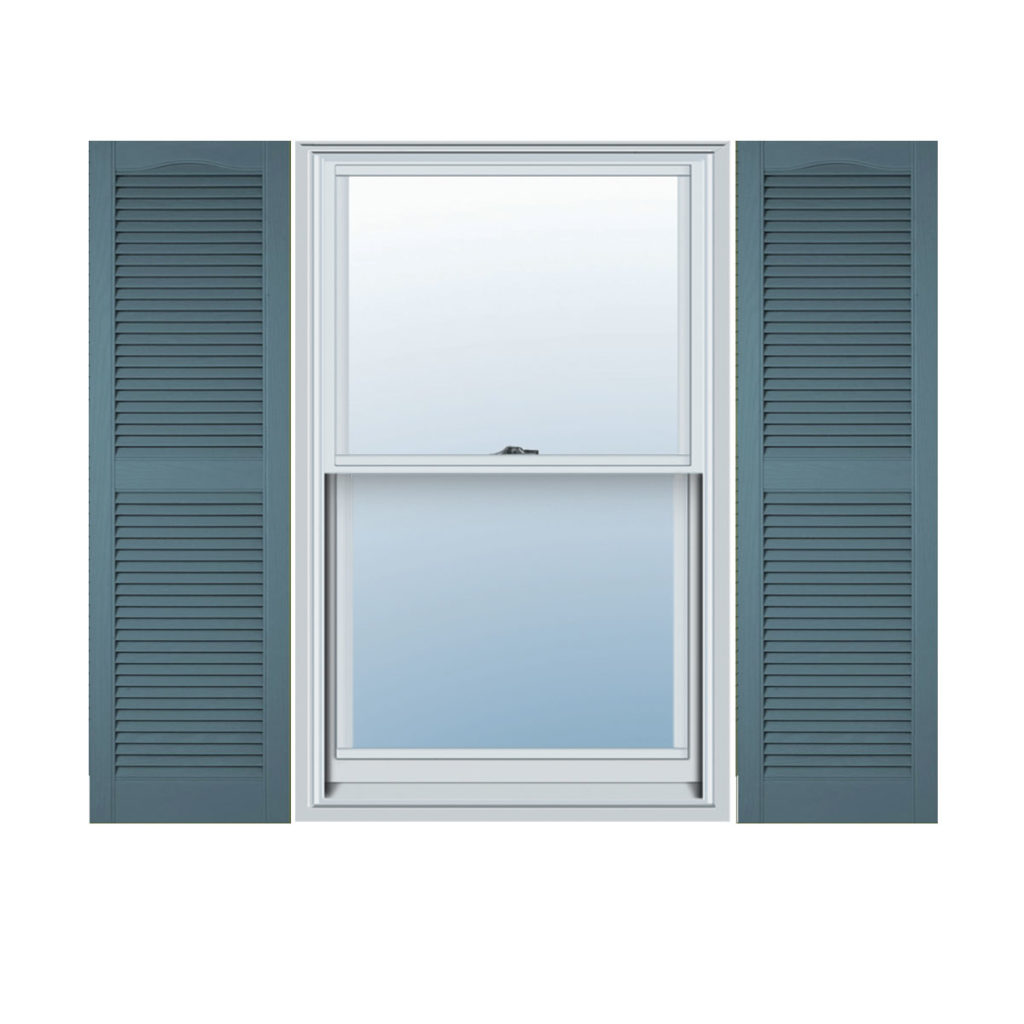
For a period property where the original sash must remain, secondary glazing is often more acoustically interesting than simply swapping the original glass for another pane.
Double-Pane vs Triple-Pane Windows for Noise Reduction
Triple glazing is not automatically better for noise than every double-glazed configuration.
Triple-pane windows can provide excellent acoustic performance when specifically engineered for it, but simply adding a third identical pane does not guarantee the best result.
For acoustic design, consider:
- different pane thicknesses
- laminated acoustic glass
- cavity dimensions
- complete-window STC and OITC
- frame and seal quality
A high-quality laminated asymmetric double-glazed unit may therefore be a better choice for a particular noise problem than a generic triple-pane window optimized mainly for thermal performance.
Laminated Glass vs Double Glazing: Which Is Better for Sound?
This does not have to be an either/or decision.
One of the most useful acoustic configurations is laminated glass incorporated into a double- or triple-glazed unit.
The laminated layer helps control glass vibration, while the insulating-glass construction adds another pane and cavity. Acoustic performance can then be optimized further through pane thickness and spacing.
If a contractor simply says “double glazing blocks noise,” ask what the panes are made from and request the actual acoustic ratings.
Why Asymmetric Glass Can Matter
Using identical panes can cause both panes to respond strongly around similar frequencies.
An asymmetric glazing system uses different glass thicknesses or constructions. This can shift the acoustic weaknesses of each pane so they do not coincide as strongly.
This is particularly relevant when a window is being specified for a known noise environment rather than simply ordered as generic energy-efficient glazing.
Secondary Glazing vs Replacement Windows
| Factor | Secondary glazing / insert | Full replacement window |
|---|---|---|
| Original exterior window | Usually remains | Removed |
| Acoustic principle | Adds another sealed layer with a separate air cavity | Improves glass, seals, frame and complete window in one new assembly |
| Historic properties | Often attractive | May be restricted or undesirable |
| Disruption | Usually lower | Higher |
| Potential acoustic performance | Can be excellent when properly designed | Can be excellent with a purpose-designed acoustic system |
| Ventilation / operation | May require opening or removing the secondary panel | Depends on selected window style |
| Best decision basis | Tested final assembly rating | Tested final assembly rating |
Not Sure Whether to Replace Your Windows or Add Secondary Glazing?
If outside noise is disrupting your home but you’re unsure whether the problem is the glass, seals, frame, or another part of the building, it can be worth getting project-specific advice before paying for replacement windows.
This is especially useful when you’re deciding between secondary glazing, acoustic inserts, laminated replacement windows, or a more extensive soundproofing project.
Ask a home improvement expert about your window noise problem
Do not assume replacement is automatically acoustically superior. A large, well-sealed cavity created by secondary glazing can be extremely effective.
Do Soundproof Window Inserts Work?
Yes, properly designed acoustic window inserts can make a substantial difference.
An insert creates another sealed layer on the room side of the existing window. The resulting separation helps decouple the secondary glazing from the original exterior pane.
Independent laboratory testing published for commercial and residential secondary-window systems demonstrates meaningful gains in both STC and OITC when inserts are installed over existing glazing.
The exact result depends on the original window, insert material, cavity depth, seals, frequency spectrum, and installation. Treat manufacturer laboratory data as evidence for a particular tested assembly—not as a guaranteed improvement for every home.
Best Soundproof Windows for Traffic Noise
Traffic noise contains a mixture of frequencies, with trucks, engines, exhaust systems, and road interaction contributing significant lower-frequency energy.
For that reason, prioritize:
- OITC performance, not STC alone
- laminated acoustic glass
- asymmetric pane construction
- excellent perimeter seals
- a large secondary-glazing cavity where practical
- treatment of vents and other direct openings
If the existing window is otherwise serviceable, a high-quality secondary insert may be worth comparing against complete replacement before committing to a larger project.
Best Windows for Aircraft Noise
Aircraft noise is demanding because it includes substantial low-frequency energy. This is another situation where OITC and frequency-specific test data become particularly valuable.
For homes beneath flight paths, ask acoustic-window suppliers for the actual tested configuration rather than a generic claim that “triple glazing blocks aircraft noise.”
Also consider the entire building envelope. Improving a weak window substantially may reveal noise that is also transmitting through the roof, walls, doors, or ventilation system.
Best Windows for Railway Noise
Rail noise can include wheel/rail interaction, horns, braking, engines, and low-frequency vibration. A high-OITC window or secondary-glazing system is therefore a more useful starting point than selecting a window purely on style.
If vibration is physically entering the building structure, glazing alone may not address every part of the problem.
Best Soundproof Windows for a Bedroom
Bedroom noise control often has a practical advantage: the window usually remains closed overnight.
A strong bedroom strategy is:
- repair obvious frame and sash leaks
- use laminated acoustic glazing or a well-sealed secondary insert
- choose a high-OITC system where traffic or aircraft dominate
- treat trickle vents or other required ventilation using an acoustically appropriate solution rather than permanently blocking necessary ventilation
- add heavy curtains as a supplementary treatment rather than relying on them as the main sound barrier
For the curtain layer, see our guide to noise-reducing blackout curtains.
Can You Soundproof Existing Windows Without Replacing Them?
Often, yes.
Before replacing a window, inspect:
- failed or missing weatherstripping
- gaps between sash and frame
- gaps between frame and wall opening
- poorly sealed trim
- open trickle vents
- loose panes
- obvious air leakage
Then consider secondary glazing or a window insert if substantially more acoustic isolation is required.
For DIY and lower-cost approaches, continue with our detailed guide on how to soundproof windows yourself.
Common Soundproof Window Buying Mistakes
Choosing Triple Pane Just Because It Has More Glass
More panes do not automatically mean better acoustic performance. Compare actual STC/OITC ratings and glazing construction.
Ignoring OITC for Traffic or Aircraft
STC is useful, but OITC gives valuable additional information for lower-frequency exterior noise.
Buying by Window Style Alone
A tilt-turn or casement design may seal very well, but that does not compensate automatically for poorly chosen glazing.
Using Glass-Only Ratings as Window Ratings
A pane of acoustic glass and a complete operable window are not the same test specimen. Ask whether the published number applies to the glass, glazing unit, or complete window.
Ignoring Installation
Excellent acoustic glass cannot compensate for a poorly sealed frame-to-wall joint.
Assuming a Percentage Noise Reduction Tells the Whole Story
Percentage claims can sound impressive but may hide the frequency range, reference window, laboratory configuration, or method used to calculate the improvement. Standardized STC/OITC data is more useful for comparisons.
Questions to Ask Before Buying Soundproof Windows
- What is the complete window’s STC rating?
- What is its OITC rating?
- Were those ratings measured for the exact configuration being quoted?
- Is one pane laminated?
- Is it standard laminated glass or purpose-designed acoustic laminated glass?
- What are the individual pane thicknesses?
- Are the panes asymmetric?
- What is the cavity size?
- How does the frame seal when closed?
- How will the frame-to-wall perimeter be acoustically sealed?
- Are vents included in the tested configuration?
- Can I see the laboratory test report?
- Is secondary glazing likely to outperform replacement for my existing window?
If a supplier cannot explain what configuration produced its acoustic rating, treat very precise noise-reduction promises cautiously.
Soundproof Window Comparison
| Window solution | Acoustic potential | Main advantage | Main limitation |
|---|---|---|---|
| Acoustic secondary glazing | Very high when engineered correctly | Large separated cavity; retains existing window | Adds an interior layer |
| Acoustic window insert | High | Retrofit with relatively low disruption | Performance depends heavily on existing window and seal |
| Laminated acoustic double glazing | High | Strong replacement option without necessarily requiring triple glazing | Needs correct specification |
| Acoustic triple glazing | Potentially very high | Can combine thermal and acoustic performance | More panes alone do not guarantee better acoustics |
| Fixed acoustic window | Potentially very high | No opening sash to leak | No ventilation |
| Casement / tilt-turn with acoustic glazing | High | Compression sealing plus operability | Hardware and seal quality matter |
| Standard double glazing | Moderate and highly variable | Common and thermally useful | May not target exterior noise effectively |
| Heavy acoustic curtain | Supplementary | Simple and reversible | Does not replace an acoustic window system |
Are Soundproof Windows Worth It?
They can be very worthwhile when the window is genuinely the dominant noise path and the new system is specified for the noise you actually experience.
They make the most sense when:
- outside traffic or transportation noise is disrupting sleep
- you work from home beside a noisy street
- the existing windows are clearly the weak point
- air leakage is controlled but the glazing remains acoustically inadequate
- you have reliable test data for the replacement or retrofit system
They may provide disappointing value if the walls, roof, doors, vents, or structural paths transmit similar levels of noise. In that situation, improving only the window can move the weak point elsewhere without solving the overall problem.
Frequently Asked Questions
What are the best soundproof windows for a home?
The best choice is usually a window or secondary-glazing system with tested acoustic performance, laminated glass, appropriate pane spacing or separation, excellent seals, and an OITC rating suited to exterior noise. No single opening style is universally best.
What type of window blocks the most noise?
A high-performance fixed, compression-sealing, or secondary-glazing system can all perform extremely well when combined with appropriate acoustic glass. The correct answer is the configuration with the strongest verified performance for your noise spectrum, not simply “tilt-turn,” “casement,” or “triple pane.”
Is triple-pane glass better for soundproofing?
Not automatically. Triple glazing can perform very well, but laminated glass, differing pane thicknesses, cavity size, seals, and complete-window design can be more important than pane count alone.
Is laminated glass good for noise reduction?
Yes. Laminated and purpose-designed acoustic laminated glass are widely used for noise-control glazing because the interlayer helps improve acoustic performance compared with equivalent simple monolithic glass arrangements.
What is better for window noise: STC or OITC?
Both are useful, but OITC is particularly important for exterior transportation noise because it accounts for a lower-frequency spectrum than STC. For traffic, aircraft, and railway noise, ask for both.
Can secondary glazing be better than replacement windows?
Yes. A well-designed secondary-glazing system can achieve excellent acoustic results because it creates another sealed layer with substantial separation from the original window. Compare actual tested ratings rather than assuming replacement must be superior.
Do soundproof window inserts really work?
Properly fitted acoustic inserts can significantly improve the performance of an existing window. Published laboratory testing from specialist manufacturers shows substantial STC and OITC improvements for particular tested configurations, although your result will depend on the existing window and installation.
Can I soundproof a window without replacing it?
Yes. Start by sealing air leaks and repairing worn weatherstripping. For greater improvement, secondary glazing or a well-sealed window insert can add another acoustic barrier while leaving the exterior window in place.
Will soundproof windows eliminate traffic noise completely?
No. High-performance acoustic windows can reduce traffic noise substantially, but complete silence is unrealistic because sound may also enter through other parts of the building and lower frequencies are particularly difficult to isolate.
Final Verdict: How to Choose the Best Soundproof Window
If you remember only one thing from this guide, make it this:
Do not choose a soundproof window by pane count or opening style alone.
For serious exterior noise, look for a complete window or secondary-glazing system with:
- verified STC and OITC ratings
- laminated or acoustic laminated glass where appropriate
- well-chosen pane thicknesses
- an effective air cavity or secondary-glazing gap
- excellent perimeter seals
- professional, airtight installation
For traffic, aircraft, and railway noise, pay particular attention to OITC and lower-frequency performance. For a historic or otherwise serviceable existing window, compare acoustic secondary glazing with full replacement before deciding. And if you are replacing the window, require performance data for the exact configuration being quoted.
If replacement is beyond your current budget, our guide to soundproofing windows yourself covers lower-cost ways to improve an existing opening.
Good luck and happy soundproofing!
Comments are closed.