SPD verdict: The current Manta SOUND Sleep Mask is one of the more convincing ways to combine blackout with private sleep audio, especially if you dislike wearing earbuds in bed. Its biggest strength is comfort-oriented design for side sleepers, not active noise cancellation. The built-in Bluetooth speakers can play white noise, music, podcasts or other masking audio, but they do not physically soundproof a room or stop external sound from reaching your ears.
That distinction matters. If the noise keeping you awake is a snoring partner, traffic, neighbors or intermittent household sound, Manta SOUND can make that noise less noticeable by adding a controlled sound layer close to your ears. If you need stronger actual noise reduction, earplugs or active-noise-cancelling sleep earbuds may be the better approach.
Which Manta SOUND Sleep Mask are we reviewing?
This review covers the current Manta SOUND Sleep Mask Classic, SKU MSMASK-SOUND2. It is the newer-generation SOUND design rather than the older version that still appears in some reviews online.
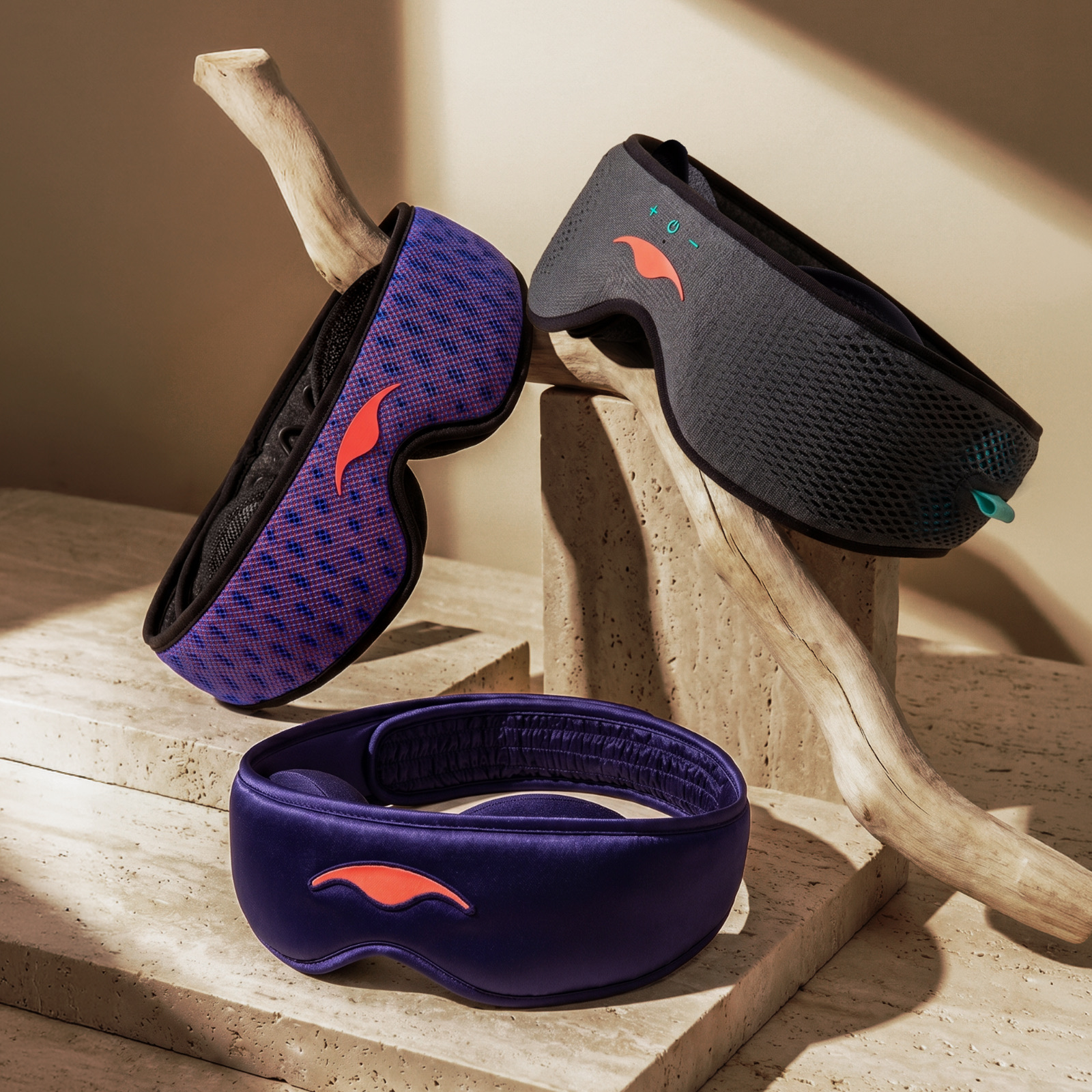
The current mask combines an adjustable blackout eye-mask structure with integrated Bluetooth speakers. Manta has redesigned this generation around a slimmer, more breathable strap, C-shaped eye cups and easier access to the electronics for washing.
That generation distinction is worth keeping in mind when comparing specifications. Older Manta SOUND reviews may describe a previous mask with different battery life, speaker construction and strap design.
What does the Manta SOUND Sleep Mask actually do?
The Manta SOUND solves two separate sleep problems in one wearable design:
- Light: the adjustable eye cups are intended to create a blackout seal without pressing directly against the eyelids.
- Sound: built-in Bluetooth speakers let you play your own masking audio directly beside your ears.
That second function is where SPD thinks the product needs to be described carefully.
Manta SOUND is not a soundproofing device and it is not an active-noise-cancelling headset. The mask does not stop sound transmission through a wall, window, floor or ceiling, and the current SOUND model is not marketed as using ANC.
Instead, it gives you a convenient way to introduce another sound that can reduce the contrast between the unwanted noise and the bedroom background. White noise, rainfall, fan sounds and similar steady audio can be useful for this because intermittent sounds become less prominent against a consistent acoustic background.
How well suited is it to side sleeping?
Side-sleep comfort is probably the strongest reason to consider Manta SOUND over simply wearing ordinary headphones in bed.
The speakers are integrated into the mask and positioned beside the ears rather than inside the ear canal. Manta uses a thin speaker design and lets you slide the speakers into the position that best matches your ears.
The current mask also uses C-shaped eye cups that taper around the temple area. That is important because bulky mask construction around the side of the face can become uncomfortable once your head is pressed into a pillow.
Manta describes this generation as substantially slimmer than the previous SOUND mask, and the revised 3D-knit construction is intended to improve airflow as well.
For SPD, that makes the design particularly interesting for someone who likes sleep audio but finds earbuds uncomfortable when lying on one side.
Sound masking versus active noise cancellation
This is the most important buying distinction in the review.
The Manta SOUND approach is essentially:
blackout + close-range audio masking.
An active-noise-cancelling sleep earbud takes a different approach by using microphones and electronic processing to reduce certain external sounds reaching the listener.
Neither method is universally better.
If you mainly want relaxing audio and do not like having anything inserted into your ears, the Manta format has a clear advantage.
If your priority is maximum reduction of external noise, particularly continuous low-frequency sound, an ANC sleep-earbud design may have more to offer.
For an example of that alternative approach, see our Soundcore Sleep A30 review.
Can Manta SOUND help with snoring?
Potentially, but think in terms of masking rather than blocking.
You can play white noise or another steady sound through the integrated speakers so that changes in the snoring are less acoustically prominent.
That can be useful when the snoring is disruptive because of its changing volume and rhythm. A steady masking sound creates a more consistent background against which those changes may stand out less.
What the Manta SOUND does not do is create a sealed acoustic barrier around the ear.
If the snoring is loud enough that masking alone is insufficient, a different sleep-audio system or properly fitted earplugs may be a better option.
Blackout and eye comfort
Manta pairs the audio system with adjustable C-shaped eye cups rather than a flat piece of fabric pressing directly against the eyes.
The cups can be repositioned on the mask to better match the shape and spacing of your face. Their purpose is to maintain darkness while leaving space around the eyelids and lashes.
This matters because a Bluetooth mask can have excellent audio and still be unpleasant to sleep in if it presses against the eyes or leaks light around the nose.
The combination of adjustable cups and the revised side-sleep shape is one of the reasons the SOUND model feels like a purpose-designed sleep product rather than ordinary Bluetooth headphones sewn into a generic mask.
Battery life
Manta rates the current SOUND mask for 24 hours of battery life at 100% volume.
That is enough on paper for multiple normal nights between charges, although real-world runtime will always depend on volume, battery age and usage.
Another thoughtful detail is the absence of audible low-battery notifications during sleep. The current mask also includes an automatic shutoff after a period without audio.
For a sleep product, avoiding a loud battery warning in the middle of the night is a small feature that makes practical sense.
Adjustable speaker positioning
The speakers can be repositioned inside the mask using external adjustment tabs.
This is more important than it may sound. If the speaker sits too far forward or behind the ear, you are likely to compensate by increasing the volume.
Being able to line each speaker up more closely with your ears should make it easier to listen at a comfortable level.
SPD would still recommend keeping overnight listening volume sensible. Masking works because the added sound reduces contrast with the disturbance; it should not become a competition to overpower the unwanted noise at maximum volume.
Breathability and overnight comfort
The current SOUND generation uses perforated materials and a 3D-knit mesh structure designed to improve airflow.
That is useful because sleep masks wrap around an area of the head that can become warm quickly, particularly when combined with electronics and speakers.
No mask will feel equally comfortable to every sleeper, but reducing bulk and improving ventilation are sensible changes for something intended to remain on the face for several hours.
Can you wash the Manta SOUND?
Yes, but the electronics need to come out first.
The current design has an access point with a magnetic closure. The headphones and battery/control electronics can be removed, leaving the fabric components available for washing.
Manta says the head strap and eye cups can be machine washed in cold water inside a laundry bag and then air dried. The electronic components should only be wiped clean and must not go into the washing machine.
That removable-electronics design is a meaningful advantage for a product worn directly against the face night after night.
Will your partner hear the speakers?
Manta positions the speakers close to the ears and designs them to limit sound leakage at normal listening levels.
That could make the SOUND mask useful for someone who wants to listen to white noise, a meditation or a podcast without putting a room speaker beside the bed.
It is still possible for sound to leak at higher volumes, so partner-friendly listening depends partly on how loudly you use it.
Manta SOUND vs a simpler Bluetooth sleep mask
The closest format already covered on SPD is the LC-dolida Sleep Headphones 3D Sleep Mask.
Both products combine an eye mask with Bluetooth audio, so the fundamental idea is similar.
The Manta SOUND places more emphasis on adjustable component positioning, side-sleep geometry, ventilation, removable electronics and the blackout eye-cup system.
The important point is that neither should be confused with an ANC earbud. They are primarily sleep masks with integrated audio.
If you are deciding between the mask-with-speakers format and true sleep earbuds, our Soundcore Sleep A30 vs LC-dolida comparison explains the practical difference between those two approaches.
Who is the Manta SOUND best for?
I think the current Manta SOUND makes the most sense for:
- side sleepers who find ordinary headphones or earbuds uncomfortable;
- people who want both blackout and sleep audio from one product;
- light sleepers who use white noise, nature sounds, meditation or similar audio to mask disturbances;
- people who share a bedroom and would rather keep their sleep audio close to their own ears;
- travelers who want a combined eye mask and Bluetooth audio solution.
It makes less sense if your only priority is achieving the strongest possible reduction in external noise.
For that use case, passive earplugs or a purpose-designed ANC sleep earbud may be the more appropriate starting point.
What I like
- Combines blackout and Bluetooth sleep audio in one product.
- Current design is specifically shaped around side-sleep comfort.
- Speakers can be repositioned instead of being fixed in one place.
- 24-hour stated battery life is more than enough for a normal night’s sleep.
- No audible battery warning during the night.
- Electronics can be removed for washing.
- C-shaped eye cups avoid pressing directly against the eyelids.
- Useful for private white-noise or masking-audio playback.
What I would change
- There is no active noise cancellation, so buyers need to understand that this is primarily a masking solution.
- A sleep mask with electronics is naturally more complex than a simple blackout mask.
- Comfort still depends on getting the eye cups, strap and speakers positioned correctly.
- If you need actual acoustic isolation rather than sleep audio, this is not the strongest tool for that job.
SPD’s final verdict
The Manta SOUND Sleep Mask is a strong option for someone who wants blackout and private sleep audio without wearing earbuds.
SPD’s reason for recommending it is not that it magically blocks bedroom noise. It doesn’t.
Its value is that the current design combines a serious blackout mask with adjustable Bluetooth speakers in a format deliberately shaped for sleeping on your side. That makes it particularly useful for people who already rely on white noise or other audio to make snoring, traffic, neighbors or general nighttime disturbances less noticeable.
If your main problem is sound transmission through the building, fix the room or noise path where possible. If you need strong personal noise reduction, look at earplugs or ANC sleep earbuds. But if you want comfortable audio masking and blackout in one wearable product, Manta SOUND occupies a genuinely useful middle ground.
Frequently asked questions
Does the Manta SOUND Sleep Mask have active noise cancellation?
No. The current Manta SOUND uses built-in Bluetooth speakers for audio playback. It can play white noise and other masking sounds, but it should not be treated as an active-noise-cancelling headset.
Does the Manta SOUND block snoring?
It does not physically block snoring. You can use the built-in speakers to play masking audio that may make snoring less noticeable.
Is the Manta SOUND suitable for side sleepers?
Yes. The current generation is specifically designed around side sleeping, with thin integrated speakers and C-shaped eye cups that taper around the temple area.
How long does the Manta SOUND battery last?
Manta currently states up to 24 hours of battery life at 100% volume for the latest SOUND mask. Actual runtime can vary with use and battery condition.
Can you wash the Manta SOUND Sleep Mask?
Yes, after removing the electronic components. Manta says the fabric head strap and eye cups can be machine washed cold in a laundry bag and should then be air dried.
Is Manta SOUND better than sleep earbuds?
It depends on what you need. Manta SOUND avoids putting anything inside the ear and combines audio with blackout. Sleep earbuds can offer stronger passive isolation or active noise cancellation depending on the model.
Good luck and happy soundproofing!