
According to NZVJ, of the 3527 animal owners surveyed, 88.9% owned animals that were fearful of fireworks. As a responsible owner of any pet, you have definitely looked into methods to calm your pet during a fireworks display or a storm.
It can be very disheartening to see your pet afraid and anxious when they hear loud noises. But how do you create a safe space for them to retreat when this happens?
create a safe space for them to retreat to
Your options for managing these situations will obviously depend on many factors. In this post, I will provide you with some practical methods that you can employ. Of course, the majority of these methods are from the standpoint of soundproofing.
If you would rather start with a purpose-built enclosure than modify an existing crate, see our Best Soundproof Dog Crates guide for current noise-reducing options and their limitations.
Soundproofing blankets (moving blankets)
Soundproof blankets, also known as moving blankets, are a relatively inexpensive soundproofing tool. They cost around $60 for a pack of 12.
So are these moving blankets good for soundproofing?
Moving blankets may absorb some sound reflections, but they cannot be relied upon to block fireworks or thunder from reaching a dog. Use only a breathable, secure cover suitable for the crate, with ample unobstructed ventilation and no loose material the dog can pull inside.
Do not wrap or layer heavy blankets around a crate in an attempt to make it airtight or soundproof. A cover can restrict airflow, retain heat, or become a chewing hazard. If your dog finds a light, purpose-made crate cover calming, follow its instructions, leave ventilation unobstructed, monitor temperature and behavior, and provide comfortable, safe bedding inside.
For a dog frightened by storms or fireworks, the priority is a calm, familiar retreat with free airflow—not a sealed enclosure. Choose a quieter indoor location where your dog can move away if it wishes.
The aim is a familiar, comfortable retreat, not a soundproof enclosure. Let your dog choose whether to use the crate and never force an anxious dog inside during fireworks or storms.
Crate cover – Sound reducing dog crate
Soundproofing a dog crate vs. Soundproof dog crates.
Crate covers or crate padding is another great way to create a safe space for your pet during a time of distress. These are easy to fit in your average crate. QuietTime crate cover provides a great crate cover. They cost anywhere from $30 to $60, depending on the size of your crate from PetStreet Mall.
Suitable crate bedding may improve comfort, but padding and covers do not reliably block loud outside sounds. Avoid loose or chewable materials, and check that the crate remains well ventilated and that your dog can rest comfortably.
The fabric is breathable and can be washed if your pet has an accident which is also common when your pet is nervous or anxious. Just put it into the washing machine to give it a good clean.
The easiest solution is ZenCrate. As the name suggests, this is a crate specifically designed to provide your pet with a calming, safe space.
Place the dog crate in the living room or bedroom. Keep your pet in the same room as you if you can. This will make them feel safe.
Soundproof a small space
For larger pets, you’ll need to consider soundproofing a small room. If you have space under your staircase or the spare room, you can add soundproofing too.
Reduce gaps in the room around your pet
If outside noise reaches the room through a door gap, a correctly sized compressed gasket may reduce that leakage. It is a room treatment, not a way to soundproof the crate; never restrict the crate’s airflow, cover it tightly, or leave loose strips the dog could chew. Keep required ventilation and safe exits clear.
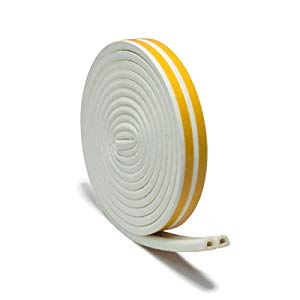
A suitable compression gasket can reduce air leakage when compressed against the intended surface. It does not guarantee a fixed sound reduction or make a room soundproof.
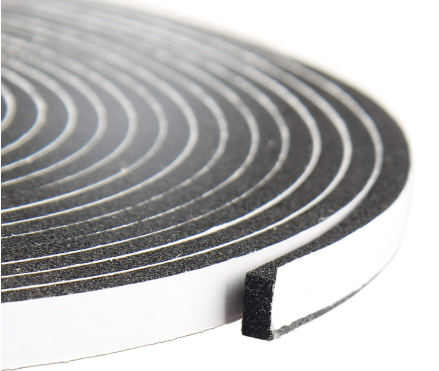
Closed-cell foam seal tape may suit some stationary room-frame gaps when the surface and temperature are appropriate. Keep all materials and adhesives away from the pet, and do not cover vents, drains or door mechanisms.
Seal stationary gaps in the room, not the crate
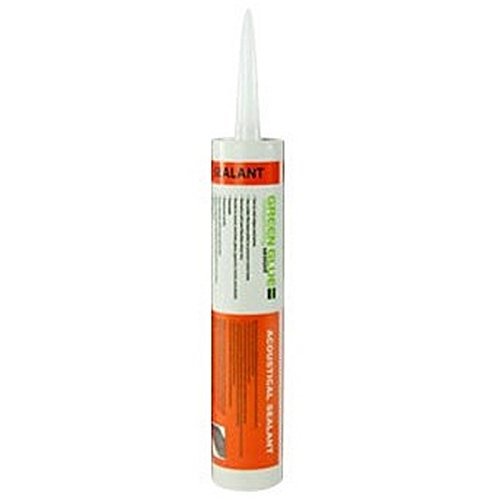
If the dog rests in a separate room, sealing suitable stationary joints between the room’s door frame and wall can help reduce airborne sound leakage. Use a compatible acoustic sealant, such as Green Glue Noiseproofing Sealant, according to the manufacturer’s instructions. Green Glue Noiseproofing Compound is a different damping product for use between rigid layers.
Do not seal the dog’s crate, cover its ventilation openings, or caulk the moving edges of a door. Use suitable door weatherstripping for moving joints, preserve required ventilation, and keep all sealants and construction materials away from the dog.
Adding mass to the walls and blocking all the gaps that sound travels through will help you reduce the noise traveling into and out of an area.
Sound barriers belong in the room assembly, not the crate
Mass-loaded vinyl (MLV) can add mass to suitable walls or other designed building assemblies as part of a wider sound-isolation approach. It should not be wrapped around a pet crate or left exposed where a dog can chew or ingest it. For a pet’s resting area, prioritize a quieter room, secure door and window seals, and unrestricted airflow and access.
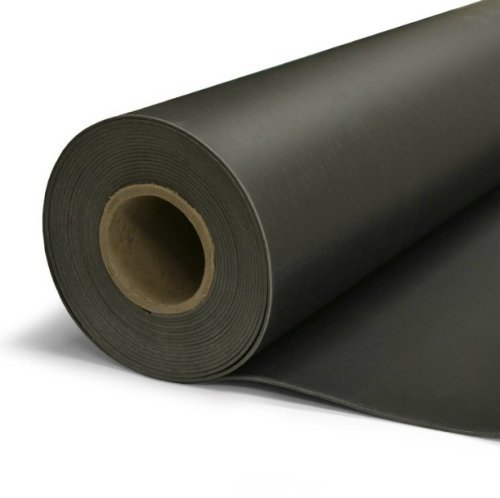
MLV products vary by weight, construction and tested configuration. Check current manufacturer information and treat material ratings as distinct from the performance of a complete installed assembly. For product comparisons, see our mass-loaded vinyl guide.
A door sweep, wall hangings, acoustic panels, block-out curtains are all methods you can use to achieve this. I’ve written a blog about soundproofing a room that details many useful ways to achieve a soundproof area.
Acoustic panels
Acoustic panels are designed specifically to reduce echo and minimize sound. And for a small space like a crate, they won’t be very costly, ideal for small to medium-sized pets. Acoustic panels typically come 12” X 12”.
Acoustic foam: useful for room echo, not crate isolation

Acoustic foam panels absorb some reflected sound inside a room, but they do not reliably block fireworks or thunder from entering a crate. Do not line a dog’s crate with exposed foam: it may be chewed or swallowed, and added lining can interfere with airflow and safe access.
If echo is a problem in the surrounding room, consider appropriately mounted acoustic treatment well out of the dog’s reach. For noise sensitivity, prioritize a comfortable familiar retreat in a quieter room and consult a veterinarian if distress is severe.
Acoustic panels are better considered for the surrounding room than for the crate itself. A dog may still hear loud noises and bark or howl; sound treatment should never replace attention to the dog’s comfort, safety, and anxiety.
Curtains for the surrounding room
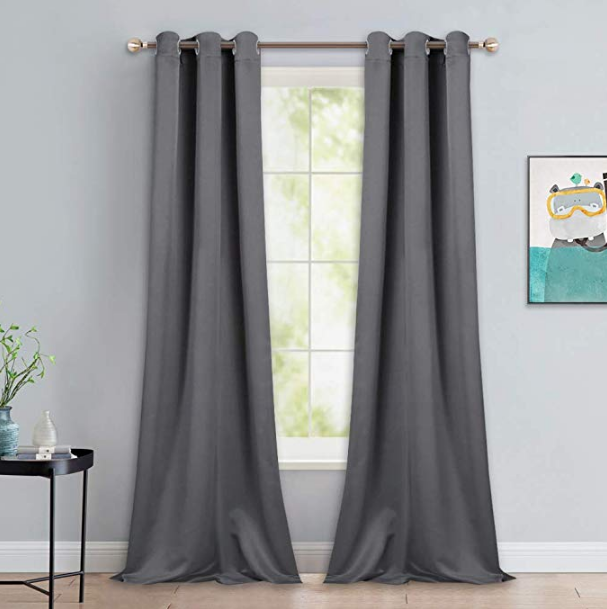
Heavy curtains at a room’s windows may help with light and some reflected sound, but ordinary blackout curtains are not a tested soundproof enclosure and should not be assigned a particular STC or noise-reduction figure without evidence. Keep cords, loose fabric, and fittings out of the dog’s reach.
Install curtains around the room’s windows, not tightly around the crate. Never use them to restrict crate ventilation or trap heat.
Soundproofing is a good start to calming your dog down and creates a safe space; however, you may want to use other methods. I’ve listed some working methods below.
Install a Phone Booth
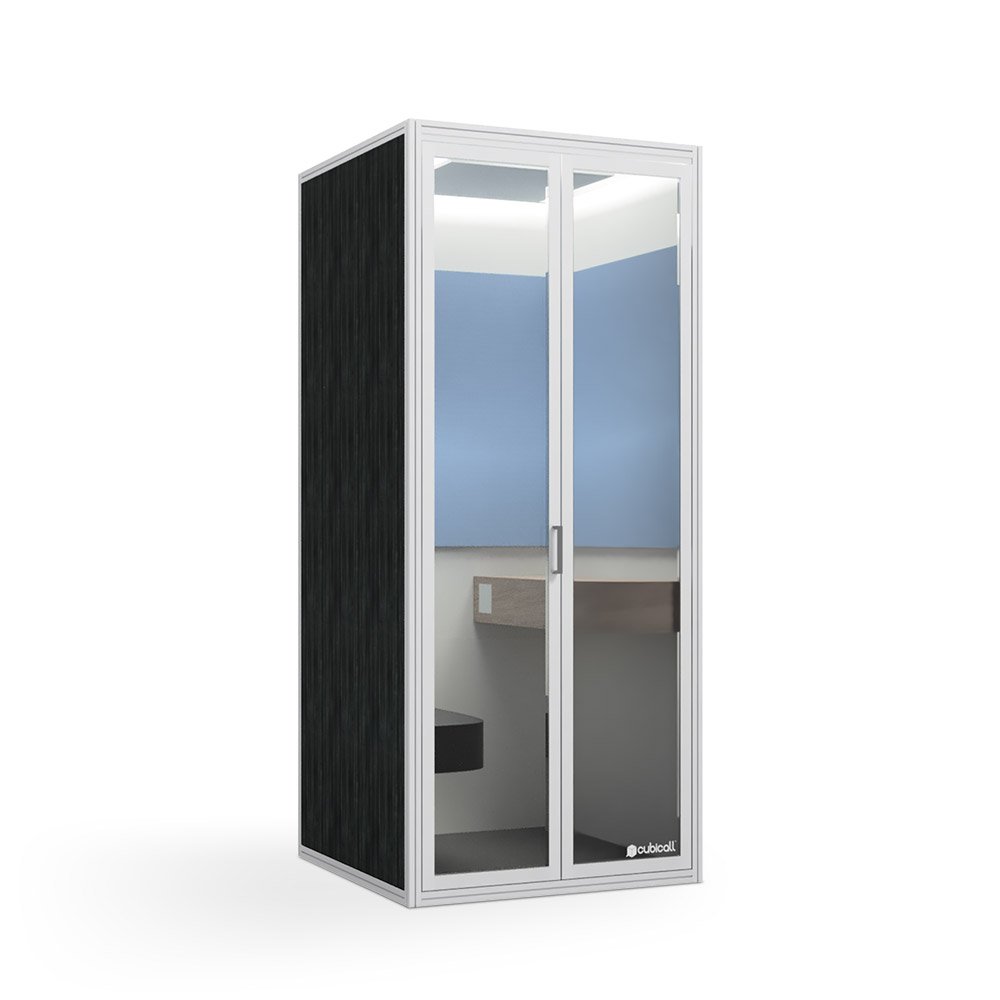
Cubicall was made to give its occupants privacy. Therefore, it’s designed the phone booth to give an acoustically sound experience. The walls are built with acoustic fill that absorbs a wide range of sound frequencies. The interior of the call booth is finished with acoustic panels, which help absorb sound and delivers a modern, elegant look. The bi-folding doors utilize double pane glass that helps reduce noise bi-directionally.
The modular design ships flat and is easily assembled within one hour. These booths utilize an innovative locking wall assembly that requires minimal tools and creates a robust structure.
Whether you’re using an IP phone, cell phone, a favorite communication app, or need a quiet space to focus, Cubicall modern phone booths bring privacy and productivity back to the office or home.
Give your dog a swaddle
Get your dog a ThunderShirt; it works great at reducing anxiety. By applying gentle but constant pressure to your dog, it calms anxiety, fear, and over-excitement. It costs about $50 and comes with a money-back guarantee.
Interact with your pet
Make sure your dog has a comfort toy
Keeping your pet happy by getting them a comfort toy. Why not get them a series of surprise toys and treats.
When your pet is in distress, the best thing you can do is interact with them. Play their favorite game to reassure them that they’re safe.
Other things you may want to try
- Leave your dog in a room that is far away from complaining neighbors
Easier said than done sometimes but this can help you keep the peace with your neighbors.
- Make your doggy exhausted
Take them for walks or play to keep them active and tire them out. Maybe they’ll even get in a calming nap.
- Don’t leave your dog in the bathroom for hours
Leaving your pet isolated may cause it more anxiety which may lead them whining and barking.
- Hire a pet sitter or find someone who’ll doggy sit for free
Conclusion
All pets are different, so you first need to determine the most suitable solution for your pet. Some pets may prefer the bed or hide under the table or a small space. Whatever your solution is, you will need to introduce them to this safe space gently, and they will eventually associate it with security and calm.
In conclusion, by following these tips, you can create a comforting safe area for your pet, introduce them gradually to this space and help them find comfort during stressful times and thunderstorms.
Good luck and happy soundproofing!